
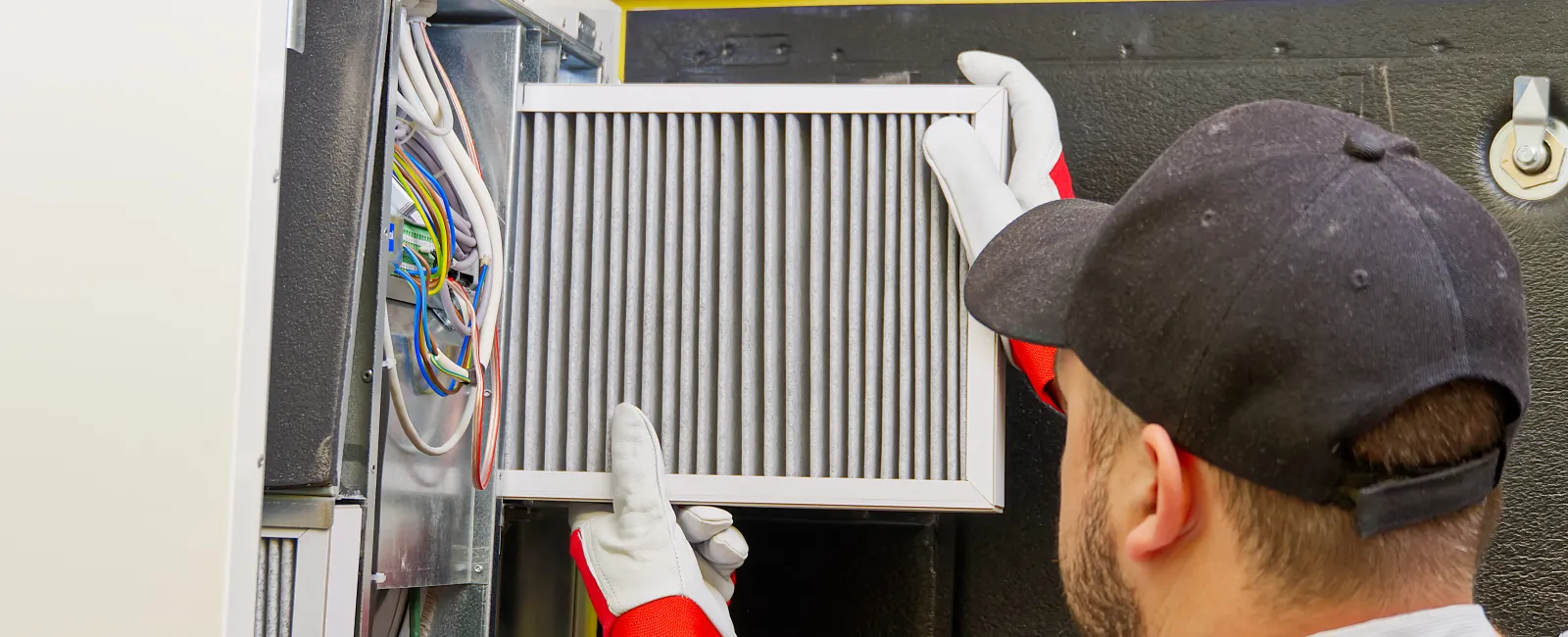
Annual furnace tune-ups are among the smartest investments homeowners can make in their heating systems. Regular preventative maintenance prevents unexpected breakdowns on the coldest days, reduces energy consumption, extends equipment lifespan, and ensures your family's safety. Yet many homeowners skip this essential service until their furnace stops working, turning a simple maintenance visit into an expensive emergency repair.

Understanding what happens during a professional furnace tune-up helps you appreciate the value of this service and recognize why it matters for your home's comfort and your budget. A comprehensive tune-up involves far more than a quick visual inspection. Professional HVAC technicians systematically evaluate, clean, test, and adjust dozens of components to ensure your entire heating system operates at peak efficiency and safety.
What Is a Furnace Tune-Up?
Preventative Maintenance Explained
A furnace tune-up is a comprehensive inspection and service procedure that addresses both performance and safety. Think of it like an annual physical exam for your heating system. Just as regular medical checkups catch health problems before they become serious, furnace maintenance identifies developing issues before they cause system failures or safety hazards.
The goal isn't just to verify your furnace is working today. Professional maintenance prepares your heating system for the demands of the upcoming season, maximizes energy efficiency, and provides peace of mind that your furnace will perform reliably when temperatures drop.
Comprehensive Service vs. Basic Inspection
Not all furnace tune-ups are created equal. A basic inspection might involve a quick visual check and filter change, while comprehensive maintenance follows a detailed checklist covering every critical component. Quality HVAC companies perform thorough multi-point inspections that examine everything from gas pressure and combustion efficiency to electrical connections and safety controls.
When evaluating service providers, ask specifically what their tune-up includes. Comprehensive maintenance should address cleaning, testing, measuring, adjusting, and documenting system performance, not just confirming the furnace turns on.
Why Annual Maintenance Matters
Prevents Unexpected Breakdowns
Furnaces rarely fail without warning. Components wear gradually, connections loosen slowly, and dirt accumulates over months of operation. Regular maintenance catches these developing problems before they cause complete system failures. Finding a worn blower belt during a tune-up means scheduling an inexpensive replacement at your convenience rather than facing an emergency repair when the belt breaks on the coldest night of the year.
Improves Energy Efficiency
A well-maintained furnace consumes significantly less energy than a neglected one. Dirty burners waste fuel through incomplete combustion. Restricted airflow from dirty blowers and filters forces the system to run longer to achieve desired temperatures. Improperly adjusted gas pressure reduces efficiency. Studies show that regular maintenance can improve furnace efficiency by 15-20%, translating directly to lower heating bills.
Consider that heating typically accounts for the largest portion of winter energy costs in most homes. Even modest efficiency improvements through proper maintenance generate substantial savings over a heating season.
Extends Equipment Lifespan
Furnaces represent major investments in home comfort. Proper maintenance extends furnace life by years, delaying the significant expense of replacement. Clean components operate with less friction and stress. Properly adjusted systems avoid the strain of operating outside design parameters. Well-maintained furnaces routinely last 20 years or more, while neglected systems may require replacement after just 10-15 years.
Maintains Manufacturer Warranties
Many furnace warranties require proof of annual professional maintenance. Failing to maintain your system according to the manufacturer's recommendations can void your warranty coverage, leaving you responsible for the full cost of repairs. Documenting regular professional furnace tune-ups protects your warranty investment.
Ensures Safe Operation
Gas furnaces involve combustion, electrical systems, and high temperatures. Each presents potential safety risks if the system malfunctions. Carbon monoxide leaks from cracked heat exchangers, gas leaks from damaged lines or valves, and electrical problems from corroded connections all create serious hazards.
Regular maintenance verifies that all safety systems function correctly and identifies any conditions that could endanger your family. The peace of mind that comes from knowing your heating system operates safely is invaluable.
Maintains Indoor Air Quality
Your furnace continuously circulates air throughout your home during the heating season. A dirty furnace distributes dust, mold spores, and other contaminants. Properly maintained systems with clean filters and blowers improve indoor air quality, benefiting family members with allergies or respiratory sensitivities.
Reduces Emergency Repair Costs
Emergency service calls during extreme weather cost more than scheduled maintenance visits. Parts ordered on an emergency basis cost more than those obtained during routine service. The indirect costs of being without heat, including potential frozen pipe damage or temporary lodging expenses, can be substantial. Regular maintenance significantly reduces the likelihood of emergency situations.
When to Schedule Your Furnace Tune-Up
Seasonal Timing Considerations
The best time to schedule annual furnace maintenance is before you need heating. This typically means late summer or early fall in most regions. Scheduling maintenance before heating season ensures your system is ready when temperatures drop and allows time to address any issues discovered during the inspection without the urgency of a cold home.
Scheduling early also means avoiding the rush. HVAC companies experience heavy demand once cold weather arrives. Early scheduling often provides more flexible appointment options and ensures technicians aren't rushed as they would be during peak season.
Signs You Need Immediate Service
While annual maintenance should follow a regular schedule, certain symptoms indicate your furnace needs attention regardless of when it was last serviced:
- Unusual noises: Banging, screeching, rattling, or grinding sounds suggest mechanical problems requiring immediate attention.
- Yellow or flickering flames: Burner flames should be steady and blue. Yellow flames indicate incomplete combustion and potential carbon monoxide production.
- Increased cycling: If your furnace turns on and off more frequently than usual, multiple issues could be responsible.
- Uneven heating: Some rooms are too warm while others remain cold, indicating airflow or ductwork problems.
- Rising energy bills: Sudden increases in heating costs without corresponding changes in usage or weather suggest declining efficiency.
- Strange odors: Gas smells, burning smells, or musty odors all warrant immediate professional evaluation.
- Visible rust or corrosion: Signs of moisture damage or corrosion on the furnace cabinet indicate problems requiring investigation.
What Homeowners Can Do Between Professional Tune-Ups
Tasks You Can Safely Handle
While comprehensive furnace maintenance requires professional expertise, homeowners can perform several tasks that support system performance between tune-ups:
Change air filters regularly. This is the single most important maintenance task homeowners can perform. Standard 1-inch filters should be changed every 1-3 months, depending on household conditions. Homes with pets, smoking, or high dust levels need more frequent changes.
Keep the area around your furnace clear. Ensure adequate clearance on all sides of the furnace for proper airflow and safe operation. Don't store combustible materials near the furnace.
Test your thermostat. Verify the thermostat maintains accurate temperatures and responds properly to setting changes. Replace batteries in battery-powered thermostats annually.
Listen for unusual sounds. Familiarize yourself with your furnace's normal operating sounds so you notice when something changes.
Check carbon monoxide detectors. Test CO detectors monthly and replace batteries as needed. Carbon monoxide detectors have limited lifespans and should be replaced according to manufacturer recommendations.
Inspect visible ductwork. Look for obvious disconnections, damage, or air leaks in accessible ducts.
Keep registers and vents clear. Ensure furniture, curtains, or other items don't block supply or return vents.
What Requires Professional Expertise
Many furnace maintenance tasks require specialized knowledge, tools, and licensing. Never attempt these without proper qualifications:
- Working with gas lines or gas pressures
- Disassembling burner assemblies
- Testing or adjusting safety controls
- Inspecting heat exchangers
- Performing combustion analysis
- Working on electrical components beyond thermostat batteries
- Adjusting blower speeds or airflow
Attempting these tasks without proper training creates safety hazards, can damage your furnace, and typically voids the manufacturer's warranty.
The Value of Maintenance Agreements
Many HVAC companies offer maintenance agreements or service plans that include scheduled tune-ups and additional benefits. These programs typically include priority scheduling, discounted repairs, extended warranties, and other perks that enhance value beyond the basic maintenance visit.
Maintenance agreements ensure you don't forget annual service and often provide cost savings compared to scheduling individual tune-ups. They demonstrate your commitment to proper maintenance, which can be important for warranty coverage.
Questions to Ask Your HVAC Technician
During your furnace tune-up, don't hesitate to ask questions about your system's condition and performance:
- How does my furnace's condition compare to similar systems of this age?
- Are there any components showing signs of wear that might need replacement soon?
- What is my system's combustion efficiency?
- Are there any safety concerns I should be aware of?
- How can I improve my system's performance or efficiency?
- What filter type and change frequency do you recommend for my specific situation?
- Are there any upgrades that would significantly improve comfort or efficiency?
Good HVAC technicians welcome questions and take time to educate homeowners about their heating systems. This knowledge helps you make informed decisions about repairs, upgrades, and eventual replacement.
Recognizing Quality Service
Not all HVAC companies provide the same level of service. Quality maintenance visits should be thorough and unhurried. Technicians should explain what they're doing, show you components that need attention, and provide clear documentation of their findings.
Be wary of companies that complete tune-ups in 15-20 minutes. Comprehensive maintenance following proper procedures takes longer. Technicians who don't ask about your comfort concerns, explain their findings, or provide documentation may be cutting corners.
Conclusion
At MR. HVAC, we've provided comprehensive furnace maintenance services throughout Canton, Woodstock, Roswell, Alpharetta, and the surrounding North Georgia area for over 25 years. Our experienced technicians follow detailed inspection procedures that examine every aspect of your heating system, ensuring optimal performance, efficiency, and safety.
We believe in educating homeowners about their HVAC systems and providing transparent service that earns your trust. When we complete a maintenance visit, you'll understand exactly what was done, the condition of your furnace, and what to expect going forward. We document everything and provide clear recommendations when repairs or upgrades would benefit your system.
Don't wait for a breakdown to think about your furnace. Schedule your annual tune-up today and enjoy the confidence that comes from a properly maintained heating system. Contact MR. HVAC to discuss maintenance agreements that provide scheduled service along with priority scheduling and additional benefits that protect your comfort year-round.


