
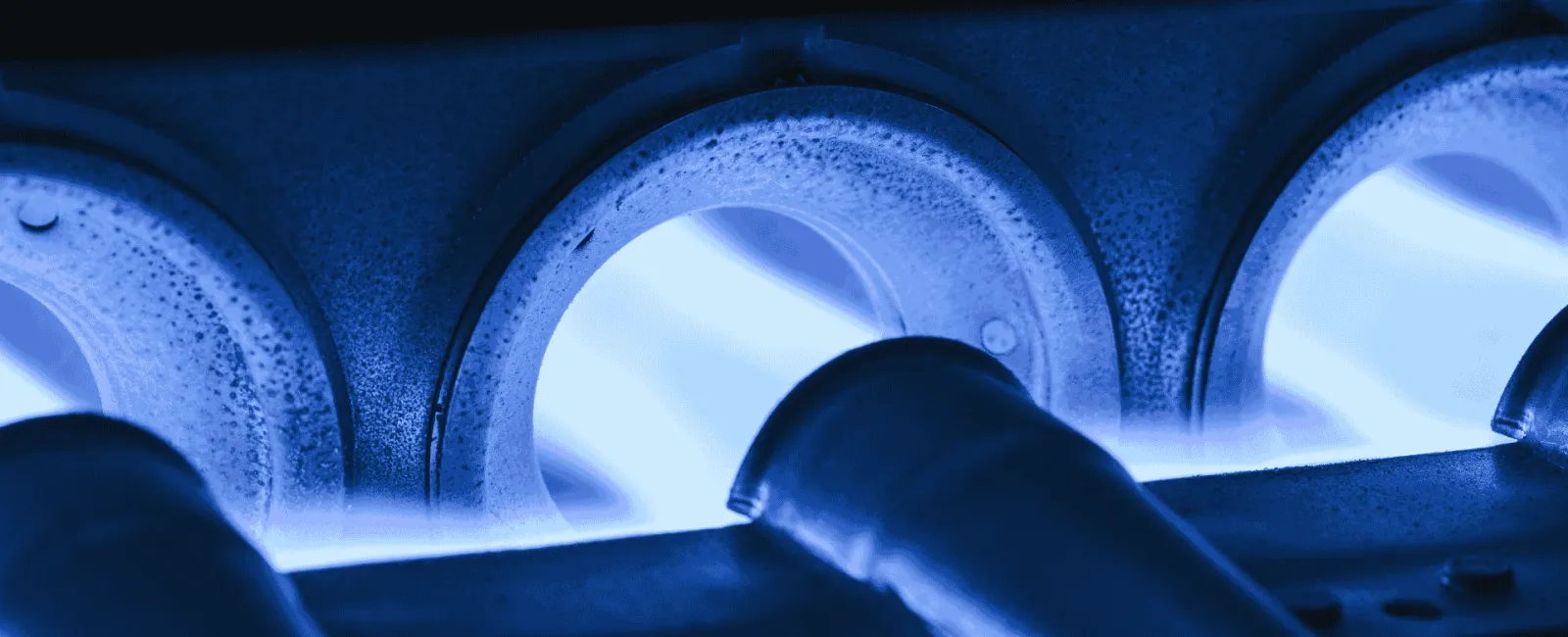
A dirty flame sensor is one of the most common reasons furnaces fail to stay lit or shut off shortly after igniting. This small but critical safety component ensures your furnace burns gas safely. When it becomes coated with soot, dust, or corrosion, it can no longer detect the flame properly, triggering a safety shutdown of your heating system. The result is a cold home, frustrated family members, and potentially costly emergency service calls if the problem isn't addressed.
The good news is that flame sensor problems are often straightforward to diagnose and, in many cases, simple to fix. Understanding how this component works, recognizing the warning signs of a dirty or failing sensor, and knowing when to handle the fix yourself and when to call a professional can save you time, money, and discomfort during cold North Georgia winters.
What Is a Furnace Flame Sensor and Why Does It Matter?
How the Flame Sensor Works
The flame sensor is a safety device that monitors whether your furnace burners are actually burning gas. It's a thin metal rod, typically made of stainless steel, with a white or discolored porcelain base that provides insulation. This rod sits directly in the flame path when your burners fire up.
When your furnace receives a call for heat, the sequence goes like this: the draft inducer motor starts, creating proper airflow through the heat exchanger. Next, the hot surface igniter or spark igniter heats up. Once the igniter reaches the correct temperature, the gas valve opens, and the burners should ignite. At this moment, the flame sensor springs into action.
The flame itself conducts a small electrical current (measured in microamps) through the metal rod back to the furnace control board. This current proves that a flame is present and that the gas is burning safely. If the control board detects this current, it keeps the gas valve open and allows the furnace to continue its heating cycle. The entire flame detection process happens within seconds of ignition.
Why This Safety Feature Is Critical
Without a functioning flame sensor, your furnace would continue releasing gas into the combustion chamber even if the flame went out. Unburned natural gas or propane accumulating in your home creates an extremely dangerous situation. Gas buildup can lead to explosions or carbon monoxide poisoning, both of which pose serious threats to your family's safety.
The flame sensor acts as a guardian, constantly monitoring the flame and shutting off the gas supply within seconds if it fails to detect proper combustion. Modern furnaces won't operate without this safety mechanism working correctly. When technicians bypass or disable flame sensors, they create hazardous conditions that violate safety codes and put homeowners at risk.
Signs Your Flame Sensor Is Dirty or Failing
Recognizing the symptoms of a dirty flame sensor helps you address the problem quickly before it leaves you without heat on the coldest days. Watch for these common warning signs:
- Furnace ignites then shuts off after 3-5 seconds: This is the classic symptom of a dirty flame sensor. The burners light up, but the furnace shuts down almost immediately because the sensor can't detect the flame through the buildup coating.
- Furnace won't stay lit on the first attempt: The system may try to start multiple times, lighting briefly and shutting down repeatedly before eventually staying on. This intermittent behavior indicates the sensor is detecting the flame inconsistently.
- Short cycling during heating: The furnace runs for brief periods, then shuts off and starts again minutes later. While many issues can cause short cycling, a dirty flame sensor is one of the most common culprits.
- Flashing error codes or lights: Many modern furnaces display diagnostic codes when the flame sensor fails to detect proper ignition. Check your furnace's manual to decode the flashing lights on the control board. Codes related to "flame failure" or "ignition lockout" often point to sensor issues.
- Furnace goes into safety lockout: After multiple failed ignition attempts, the furnace control board enters lockout mode as a safety precaution. You must turn the system off and back on (or power-cycle it at the breaker) to reset it, only for the problem to repeat.
Why Flame Sensors Get Dirty
Carbon and Soot Buildup
Every time your furnace burns gas, combustion produces microscopic particles of carbon. Over weeks and months of operation, these particles gradually accumulate on the flame sensor rod. Even when your furnace burns fuel efficiently, some carbon residue is inevitable. The sensor sits directly in the flame path, making it particularly susceptible to this buildup.
A thin layer of carbon acts as an insulator, preventing the electrical current from flowing between the flame and the sensor rod. The furnace control board interprets this lack of current as "no flame detected" and shuts off the gas valve, even though the burners are clearly lit.
Dust and Airborne Debris
Furnaces pull air from your home or utility room for combustion. That air contains dust, pet dander, lint, and other airborne particles. When these particles enter the combustion chamber, they can settle on furnace components, including the flame sensor. Homes with poor air filtration or dirty air filters experience faster sensor contamination.
Corrosion and Age
Over time, exposure to heat cycles and combustion byproducts can cause the flame sensor rod to corrode or develop oxidation. This is particularly common in older furnaces or systems operating in humid environments. The white porcelain insulator can also crack or become brittle with age, though this typically takes many years.
Environmental Factors
Certain environmental conditions accelerate the contamination of flame sensors. Furnaces installed in laundry rooms deal with lint and chemical residues from detergents. Systems in workshops or garages are exposed to sawdust, chemical fumes, and other contaminants. Even cigarette smoke in homes can create faster buildup on flame sensors. Pet hair, particularly in homes with multiple animals, contributes to the problem as well.
Is a Dirty Flame Sensor Dangerous?
The Safety Function Explained
The flame sensor itself, being dirty, isn't directly dangerous because it errs on the side of safety by shutting down the furnace. The sensor is designed to fail safely. When it can't detect the flame, it prevents gas from continuing to flow into the combustion chamber. This is precisely how the safety system should work.
However, a homeowner who doesn't understand this might be tempted to override safety controls or call an unqualified person who bypasses the sensor to "get the heat working." Defeating safety devices creates genuinely hazardous conditions. Never allow anyone to bypass your flame sensor or other furnace safety controls.
The Real Danger: What Happens Without a Working Sensor
If the flame sensor were removed, damaged, or bypassed, your furnace could release gas into the combustion chamber without a flame to burn it. This scenario creates several serious risks. Unburned gas can accumulate in your home, creating explosion hazards. Even small amounts of natural gas or propane are flammable and can ignite from pilot lights, electrical sparks, or other ignition sources.
Additionally, incomplete combustion or flame problems can produce carbon monoxide, an odorless, colorless gas that's deadly at high concentrations. Carbon monoxide poisoning causes symptoms including headaches, dizziness, nausea, confusion, and, at high levels, loss of consciousness or death. The flame sensor prevents these scenarios by ensuring gas flows only when a proper flame is present.
Secondary Issues from Ignoring the Problem
While a dirty flame sensor won't directly harm your family, ignoring the problem creates other concerns. Repeatedly trying to start the furnace and having it shut down wastes energy. The constant cycling puts stress on furnace components, particularly the hot surface igniter, which has a limited lifespan and costs over $100 to replace. Extended periods without heat during winter can cause pipes to freeze, leading to water damage that costs thousands of dollars to repair.
When to Call a Professional
While cleaning a flame sensor is a relatively simple DIY task, certain situations require professional furnace repair services:
- Cleaning doesn't solve the problem: If the furnace still won't stay lit after cleaning the sensor, other issues may be present. The sensor might need to be replaced, or there could be problems with the control board, gas valve, or other components.
- The sensor appears damaged: Cracks in the porcelain insulator, bent or corroded metal rods, or damaged wire connections mean the sensor needs replacement rather than cleaning.
- You're uncomfortable with the process: Working with gas appliances carries risks. If you're unsure about safely shutting off gas, accessing the sensor, or testing the furnace afterward, professional service is worth the investment.
- The sensor gets dirty repeatedly: If you find yourself cleaning the flame sensor every few weeks or months, something else is wrong. Excessive carbon buildup can indicate combustion problems, improper burner adjustment, cracked heat exchangers, or inadequate combustion air supply. These issues require professional diagnosis.
- Other symptoms are present: If your furnace displays multiple problems beyond just short cycling, such as unusual noises, yellow or flickering flames, excessive dust or soot around the furnace, or error codes you don't recognize, call for professional diagnosis and repair.
When to Replace the Flame Sensor Instead of Cleaning
Flame sensors are inexpensive components, typically costing $15-40 for the part. Given the low cost, many HVAC technicians recommend replacing sensors rather than cleaning them, especially if the sensor shows signs of corrosion, the porcelain insulator is cracked, or the homeowner has repeatedly experienced the same problem.
A new sensor ensures reliable operation and eliminates concerns about whether cleaning was adequate. During a professional furnace service call, the labor cost to replace a sensor versus clean it is nearly identical, making replacement often the better value.
Conclusion
Regular furnace maintenance prevents most flame sensor issues and catches developing problems before they cause breakdowns. Simple steps like replacing air filters, keeping the furnace area clean, and scheduling annual tune-ups keep your heating system running reliably throughout North Georgia winters.
At MR. HVAC, we've diagnosed and repaired thousands of flame sensor issues across Canton, Woodstock, Roswell, Alpharetta, and surrounding communities over our 25+ years in business. Our experienced technicians can quickly determine whether your flame sensor needs cleaning, replacement, or whether other furnace problems are causing your heating issues. We provide honest assessments, transparent pricing, and reliable repairs that restore your comfort.
Don't spend another cold night resetting your furnace every few hours. Contact MR. HVAC for professional furnace repair that gets your heat working right the first time.


