
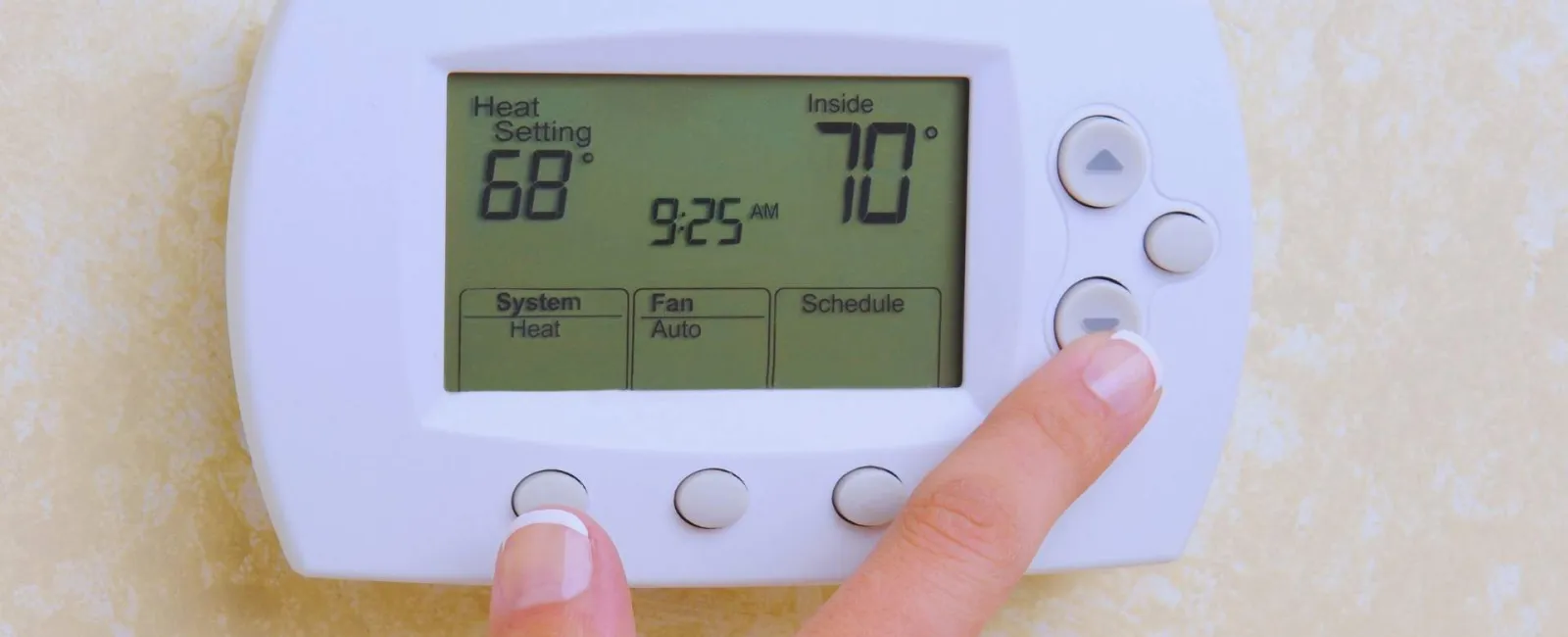
You set the thermostat to 72 degrees, but hours later the room still reads 76. Or maybe you've cranked the heat up to 70, but the house won't budge past 65. When the room temperature stays stubbornly lower (or higher) than your thermostat setting, something in your heating and cooling system isn't working the way it should.
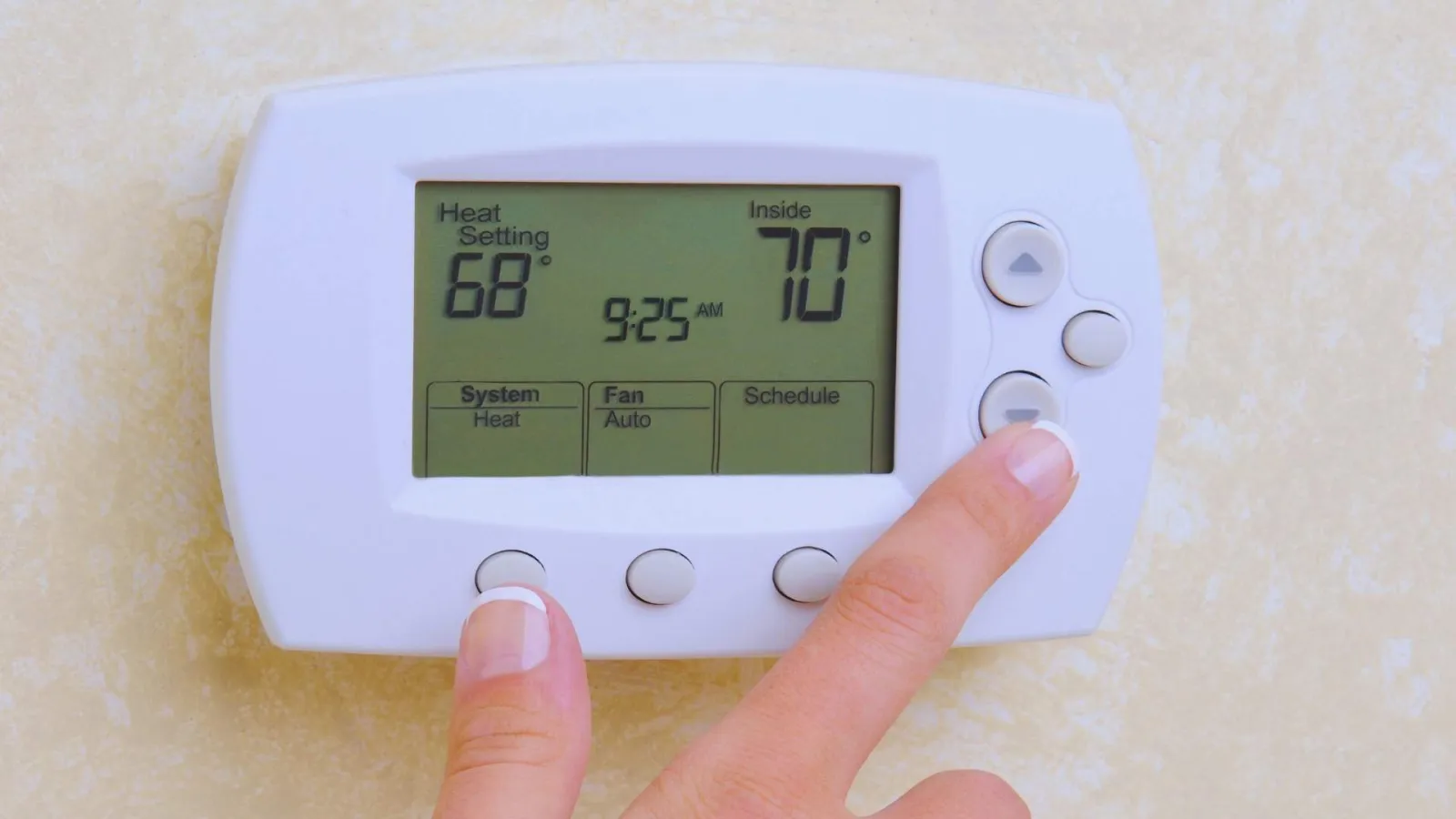
This is one of the most common HVAC complaints homeowners bring to us, and the frustrating part is that the cause isn't always obvious. Sometimes the thermostat itself is the problem. Other times, the thermostat is doing its job perfectly, but your air conditioner or furnace can't keep up. Understanding the difference can save you time, money, and a lot of discomfort.
Is It the Thermostat or the HVAC System?
When your home won't reach the temperature you've set, the issue typically falls into one of two categories: a thermostat problem or an HVAC system problem. Figuring out which one you're dealing with is the first step toward getting comfortable again.
Thermostat problems usually involve the device itself, how it reads the temperature, where it's located, or how it communicates with your heating and cooling equipment. HVAC system problems, on the other hand, mean your air conditioner or furnace is struggling to produce enough conditioned air to meet the thermostat's demand.
Both can produce the same symptom: a home that never quite reaches the temperature you want. But the solutions are very different, which is why proper diagnosis matters.
Thermostat Issues That Affect Temperature Accuracy
Your thermostat is essentially the brain of your HVAC system. It reads the current temperature, compares it to your desired setting, and tells your heating or cooling equipment when to turn on and off. When any part of that process breaks down, the room temperature won't match what you've programmed.
Poor Thermostat Placement
Where your thermostat is installed has a significant impact on how accurately it reads your home's temperature. If it's mounted near a window that gets direct afternoon sun, it may think the house is warmer than it actually is. If it's in a drafty hallway or near an exterior door, it might read cooler than the rest of the home.
Thermostats placed near heat sources, such as ovens, dryers, or even lamps, can also give false readings. The device senses the localized heat and assumes the entire house is at that temperature, causing it to shut off the air conditioner prematurely or fail to call for heat when you need it.
The ideal location is on an interior wall, away from windows, doors, vents, and appliances, in an area that represents the average temperature of your living space.
Calibration Problems
Over time, thermostats can lose their calibration. This means the temperature displayed on the screen doesn't match the actual temperature in the room. A thermostat that reads 72 when the room is actually 75 will tell your air conditioner to stop running three degrees too soon.
You can check this yourself with a simple test. Place an accurate thermometer next to your thermostat and wait about 15 minutes. Compare the readings. If they're off by more than a degree or two, your thermostat may need recalibration or replacement.
Many homeowners with older Honeywell thermostats or similar programmable models find that calibration drift becomes more common as the device ages. If your thermostat won't reach the set temperature despite everything else checking out, calibration is worth investigating.
Dead Batteries or Power Issues
It sounds simple, but dead or dying batteries cause more thermostat problems than most people realize. When battery power drops, the thermostat may display the wrong temperature, fail to communicate with your HVAC system, or behave erratically.
If your thermostat screen is blank, dim, or flickering, try replacing the batteries first. For hardwired thermostats, check your circuit breaker to ensure the system is powered.
Dust and Debris Buildup
The sensors inside your thermostat can accumulate dust over the years, affecting their ability to accurately read temperature. A gentle cleaning with a soft brush or compressed air can sometimes restore proper function, though this is typically handled by a technician during routine maintenance.
Incorrect Settings or Programming
Modern programmable and smart thermostats offer a lot of flexibility, but they also create opportunities for user error. If your thermostat has a schedule programmed, it may be overriding your manual adjustments. Some thermostats also have "recovery" or "learning" features that anticipate temperature changes, which can make it seem like the system isn't responding to your input.
Check your thermostat's schedule and settings to ensure nothing conflicts with your desired temperature. Also verify that it's set to the correct mode: "cool" for summer and "heat" for winter.
HVAC System Problems That Prevent Temperature Goals
If your thermostat checks out but your home still won't reach the set temperature, the problem likely lies with your heating and cooling equipment. Here are the most common culprits.
Dirty or Clogged Air Filters
A dirty air filter is one of the most frequent reasons an HVAC system can't keep up with thermostat demands. When the filter becomes clogged with dust, pet hair, and debris, airflow through the system drops dramatically. Your air conditioner or furnace has to work harder to push air through the restriction, and it often can't move enough conditioned air to reach your desired temperature.
Check your filter monthly and replace it at least every three months—more often if you have pets, allergies, or a dusty home. This simple step prevents a surprising number of comfort problems and keeps your system running efficiently.
Blocked or Closed Vents
Walk through your home and check every supply and return vent. Furniture, curtains, rugs, or even closed vent louvers can restrict airflow and prevent conditioned air from circulating properly. If your system can't distribute air effectively, some rooms will stay too warm or too cool no matter what the thermostat says.
Keep vents open and clear in all rooms, even ones you don't use often. Closing vents doesn't save energy, it actually creates pressure imbalances that make your system work harder.
Refrigerant Issues
Your air conditioner relies on refrigerant to absorb heat from indoor air and release it outside. If refrigerant levels are low due to a leak, the system loses its ability to cool effectively. You might notice the air coming from your vents feels lukewarm rather than cold, even though the system is running constantly.
Low refrigerant is not something you can fix yourself. It requires a licensed HVAC technician to locate the leak, repair it, and recharge the system with the correct amount of refrigerant. Continuing to run an air conditioner with low refrigerant can cause serious damage to the compressor.
Dirty Coils
Both the evaporator coil inside your home and the condenser coil in your outdoor unit need to be clean to transfer heat efficiently. Over time, these coils collect dirt, dust, and grime that acts as insulation, reducing their ability to absorb or release heat.
Dirty coils force your system to run longer and work harder without producing the results you expect. An annual AC tune-up includes coil cleaning and inspection to keep your system operating at peak performance.
Aging or Undersized Equipment
If your HVAC system is more than 15 years old, it may simply be losing its ability to heat or cool effectively. Compressors wear out, motors lose efficiency, and the system can no longer keep up with demand, especially during extreme temperatures.
An undersized system creates similar problems. If your air conditioner or furnace wasn't properly sized for your home when it was installed, it may struggle to maintain comfortable temperatures on the hottest or coldest days. This is particularly common in homes that have had additions or renovations without upgrading the HVAC system.
Ductwork Problems
Leaky, disconnected, or poorly insulated ductwork can waste 20 to 30 percent of the conditioned air your system produces. If your ducts run through an unconditioned attic or crawl space, the problem is even worse. The air that should be cooling your living room might be escaping into spaces where no one benefits from it.
Duct problems are difficult to diagnose without professional equipment, but common signs include rooms that are always too warm or too cold, excessive dust in the home, and unusually high energy bills.
Why North Georgia Summers Make This Worse
Here in Canton, Woodstock, Roswell, and surrounding areas, summer temperatures regularly climb into the 90s with high humidity. This puts tremendous strain on air conditioning systems, and even well-maintained equipment can struggle to keep up during heat waves.
Most residential air conditioners are designed to maintain about a 20-degree difference between indoor and outdoor temperatures. When it's 98 degrees outside, your system may only be able to hold the house at 78, even if the thermostat is set to 72.
This doesn't necessarily mean something is wrong. It means your system is working at capacity. However, if your home routinely can't reach a comfortable temperature during moderate weather, or if the problem has gotten worse over time, there may be an underlying issue that needs attention.
Scheduling preventive maintenance before summer arrives helps ensure your system is ready to handle the heat. A technician can identify developing problems, clean components that affect efficiency, and make adjustments that improve performance when you need it most.
When to Call a Professional
Some thermostat issues are easy to troubleshoot on your own. Check the batteries, verify the settings, replace the air filter, and make sure vents are open and unobstructed. These simple steps resolve many problems without a service call.
But if you've done all that and your home still won't reach the temperature you want, it's time to call in a professional. An HVAC technician has the tools and training to diagnose problems that aren't visible to homeowners, including refrigerant levels, electrical issues, airflow measurements, and equipment performance.
You should also call for service if you notice any of these warning signs:
- The system runs constantly but never reaches the set temperature
- You hear unusual noises from your air conditioner or furnace
- Ice has formed on the refrigerant lines or evaporator coil
- Your energy bills have increased significantly without explanation
- Some rooms are comfortable while others remain too warm or too cold
- The air coming from vents feels weak or barely cool
Ignoring these symptoms often leads to more expensive repairs down the road. A problem that starts as a minor inconvenience can become a major breakdown if left unaddressed.
How Regular Maintenance Prevents Temperature Problems
Many of the issues that cause a thermostat not to reach its set temperature are preventable with regular AC maintenance service. During a professional tune-up, a technician inspects and cleans the components that most often cause performance problems.
This includes checking refrigerant levels, cleaning evaporator and condenser coils, testing electrical connections, lubricating moving parts, and verifying that the thermostat is communicating properly with the system. The technician can also identify worn parts that are likely to fail soon, giving you the opportunity to replace them before they cause a breakdown.
For over 25 years, MR. HVAC has been helping North Georgia homeowners keep their heating and cooling systems running reliably. Our family-owned company takes pride in honest, no-pressure service and straightforward advice. If your thermostat isn't reaching the set temperature, we can diagnose the cause and recommend the most cost-effective solution.
Don't spend another day uncomfortable in your own home. Schedule a professional tune-up or diagnostic service with MR. HVAC today. Whether the problem is your thermostat, your air conditioner, or something in between, our certified technicians will get to the bottom of it and get your home back to the temperature you want.
Call MR. HVAC or schedule your seasonal HVAC maintenance online. We proudly serve Canton, Woodstock, Roswell, Alpharetta, and the surrounding North Georgia communities.


