
When cold weather arrives, finding the right balance between staying comfortable and managing heating costs becomes a priority for homeowners. Setting your thermostat too high drives up energy bills unnecessarily, while setting it too low leaves your family cold and uncomfortable. The good news is that there's a proven temperature that delivers both comfort and savings.
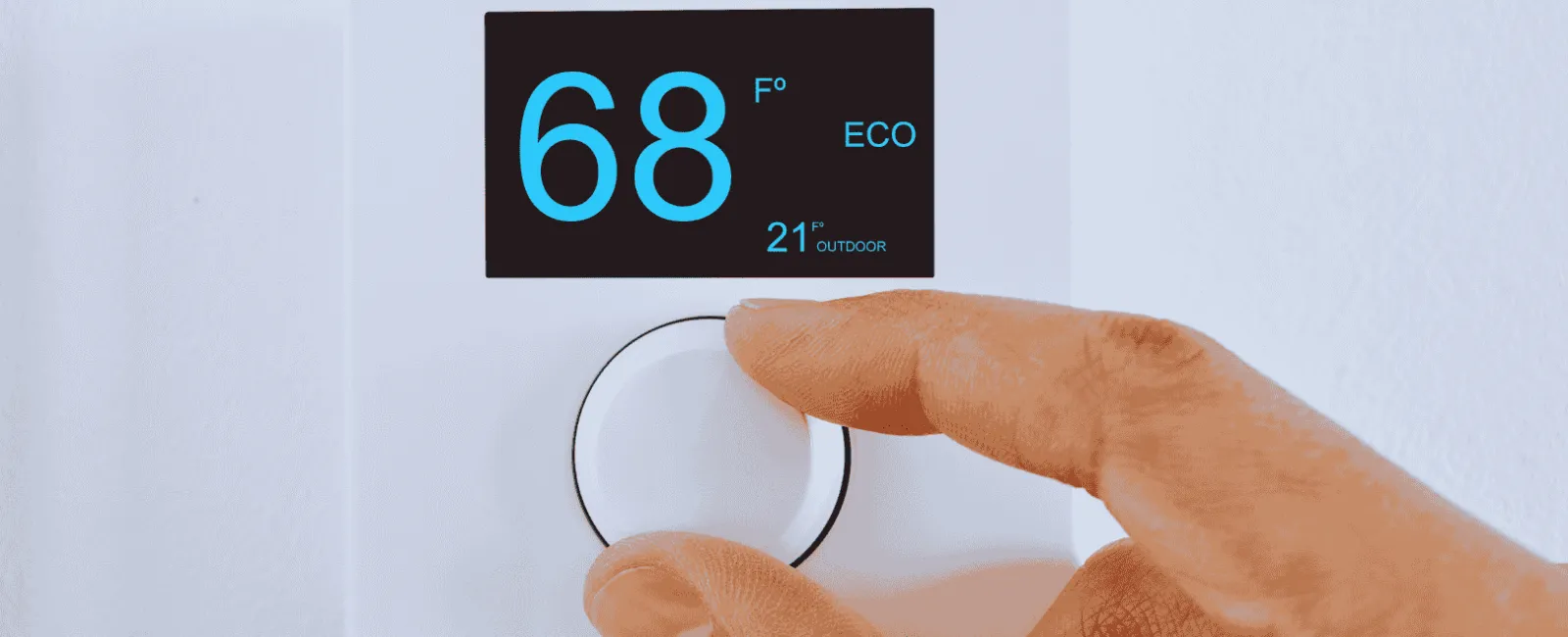
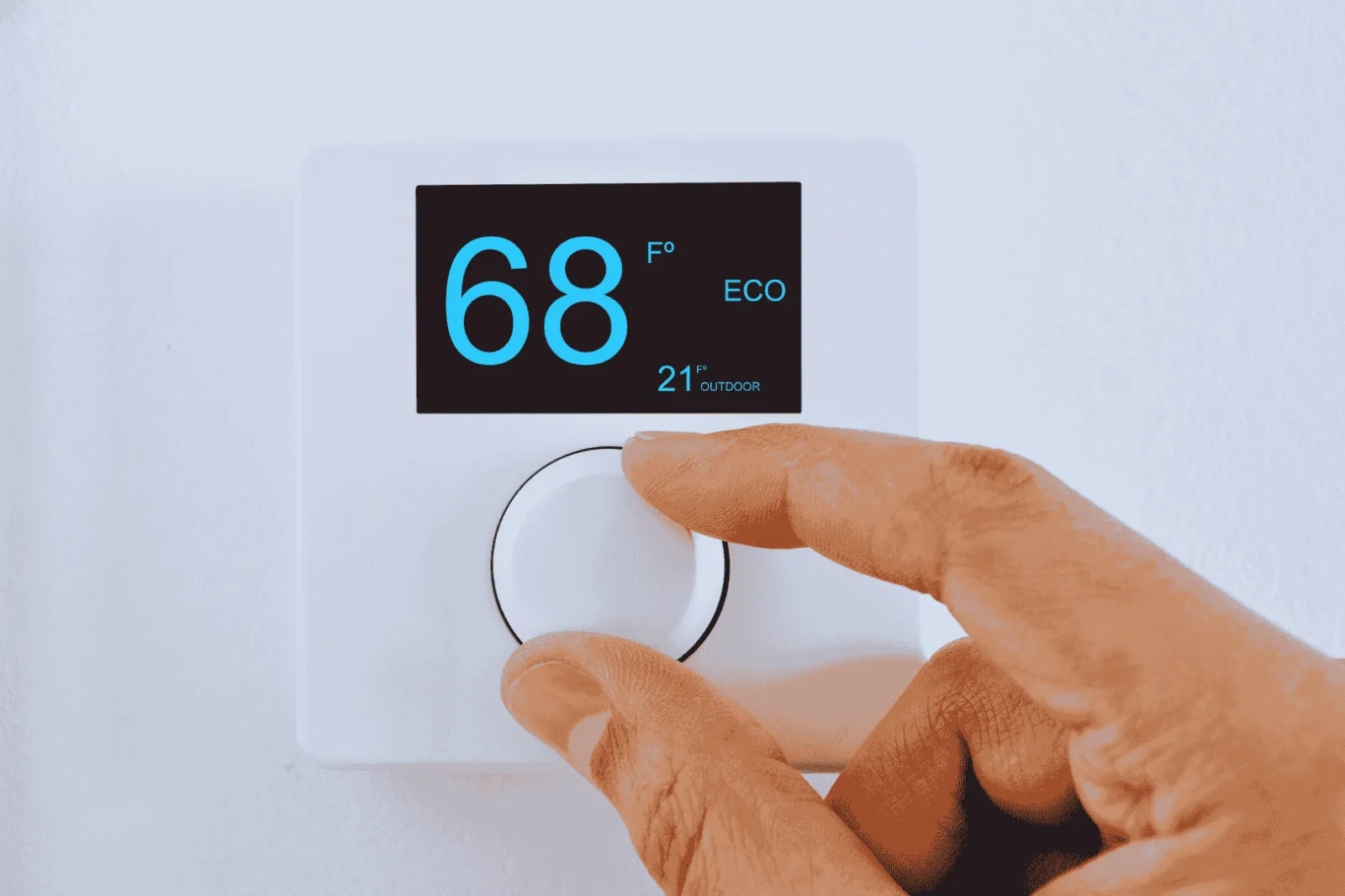
According to the U.S. Department of Energy, the best thermostat setting for winter is 68°F when you're home and awake. This temperature strikes an optimal balance between maintaining comfortable warmth and keeping energy consumption reasonable. By making small adjustments to your thermostat settings throughout the day and night, you can reduce your heating costs by up to 10% annually without sacrificing comfort.
Understanding how to manage your thermostat strategically helps you stay warm while keeping more money in your pocket throughout the heating season.
Why 68°F Is the Ideal Winter Temperature
The Science Behind the Number
The 68-degree recommendation isn't arbitrary. This temperature provides enough warmth to counteract heat loss through your home's walls, windows, and doors without forcing your heating system to work harder than necessary. At this setting, your furnace maintains comfortable indoor conditions efficiently.
Research shows that 68°F satisfies the thermal comfort preferences of most people when they're dressed appropriately for indoor winter conditions. It's warm enough that you won't need to bundle up excessively, yet cool enough to prevent that stuffy, overheated feeling that wastes energy and money.
How Temperature Affects Your Heating Costs
Every degree matters when it comes to your energy bill. For each degree you lower your thermostat, you can save approximately 1-3% on heating costs. This means that even small adjustments add up to significant savings over a full heating season.
The larger the difference between your indoor and outdoor temperatures, the harder your heating system must work. By keeping your thermostat at 68°F rather than 72°F or 75°F, you reduce the workload on your furnace, which translates into lower fuel consumption, less equipment wear, and lower monthly bills.
Strategic Temperature Settings Throughout the Day
When You're Home and Awake
Set your thermostat to 68°F during times when you're home and active. This temperature provides comfortable warmth for daily activities while maintaining energy efficiency. If 68°F feels cool initially, give your body a few days to acclimate before raising the temperature.
Consider dressing in layers, such as sweaters or hoodies. This simple adjustment lets you feel warm at 68°F without increasing heating costs.
While You're Sleeping
Lower your thermostat to 60-65°F at night. Most people sleep better in cooler temperatures, and you'll be warm under blankets regardless of the room temperature. This nighttime setback represents 8 hours of reduced heating each day, which compounds into substantial savings.
The World Health Organization recommends bedroom temperatures between 60 and 67°F for optimal sleep quality. Cooler sleeping environments improve rest while reducing energy consumption.
When You're Away From Home
If you'll be gone for more than four hours, lower your thermostat to 60-62°F. This prevents pipes from freezing in North Georgia's occasional extreme cold while dramatically reducing heating costs during unoccupied hours.
Some homeowners worry that reheating a cooled home consumes more energy than maintaining a constant temperature. This is a myth. Your home loses heat more slowly at lower temperatures, so you always save energy by lowering the thermostat when you're away.
Maximizing Savings With Programmable and Smart Thermostats
The Benefits of Programmable Thermostats
Programmable thermostats automatically adjust the temperature based on your schedule. You can set them to lower temperatures automatically when you typically leave for work and raise them before you return home. This ensures you never waste energy heating an empty house while guaranteeing you arrive at a comfortable temperature.
Studies show that programmable thermostats can save up to 10% annually on heating and cooling costs simply by automating the temperature setbacks that homeowners often forget to make manually.
Smart Thermostat Advantages
Smart thermostats take automation even further. These devices learn your schedule and preferences over time, making adjustments automatically without requiring programming. Many models include features like geofencing that detect when you leave home and adjust the temperature accordingly.
Smart thermostats also provide energy usage reports that show exactly how your heating habits affect costs. You can control them remotely from your smartphone, allowing you to adjust temperatures from anywhere. Forgot to lower the thermostat before leaving for a weekend trip? Simply open the app and make the change.
If you're interested in upgrading to a programmable or smart thermostat, our technicians can help you select and install the right model for your home and lifestyle.
Common Thermostat Mistakes That Cost You Money
Setting Temperature Too High Initially
Many homeowners make the mistake of immediately setting their thermostat to 72°F or higher at the first sign of cool weather. Your body needs time to acclimate to seasonal temperature changes. Start at 68°F and give yourself a week to adjust before deciding if you need to go higher.
Constantly Adjusting the Thermostat
Frequent temperature changes throughout the day waste energy. Your heating system works most efficiently when maintaining a steady temperature. Resist the urge to continuously adjust settings based on momentary feelings of being too warm or too cool.
Cranking the Heat to Warm Up Faster
Setting your thermostat to 80°F doesn't heat your home faster than setting it to 68°F. Your furnace delivers heat at the same rate regardless of the target temperature. All you accomplish by setting it higher is to cause your home to overheat and waste money once it reaches an excessive temperature.
Closing Vents in Unused Rooms
While it seems logical, closing vents in unused rooms can actually reduce efficiency in modern forced-air systems. These systems are designed to heat the entire home, and closing vents increases pressure in ductwork, forcing your furnace to work harder and potentially causing damage.
Additional Ways to Stay Warm at Lower Temperatures
Dress for Indoor Winter Weather
Wearing appropriate indoor clothing makes a significant difference in comfort at lower thermostat settings. A warm sweater, thick socks, and comfortable pants keep you perfectly comfortable at 68°F. Layering clothing can increase your perceived temperature by several degrees without touching the thermostat.
Use Ceiling Fans in Reverse
Most ceiling fans have a reverse setting that pushes warm air down from the ceiling. Since heat naturally rises, reversing your fans in winter redistributes warm air throughout the room, allowing you to set the thermostat lower and feel more comfortable.
Maximize Natural Sunlight
Open curtains and blinds on south-facing windows during sunny days to capture free solar heat. Close them at night to provide additional insulation against cold windows. This simple practice can reduce heating needs by several degrees during daylight hours.
Address Drafts and Air Leaks
Cold air infiltrating around windows, doors, outlets, and other openings makes your home feel colder than the actual temperature. Seal these leaks with weatherstripping, caulk, or foam sealant. Eliminating drafts allows you to maintain comfort at lower thermostat settings while reducing how often your furnace runs.
When Your Furnace Struggles to Reach Set Temperature
Signs of Heating System Problems
If your furnace runs constantly but can't reach your thermostat setting, or if some rooms stay cold while others overheat, your heating system likely needs attention. These symptoms indicate problems that waste energy and money while leaving you uncomfortable.
Common issues that prevent furnaces from maintaining set temperatures include dirty filters restricting airflow, aging equipment losing efficiency, ductwork leaks, or mechanical problems requiring repair.
The Importance of Regular Maintenance
A well-maintained furnace heats your home more efficiently than a neglected one. Annual maintenance catches small problems before they become expensive repairs and ensures your system operates at peak efficiency. Clean filters, properly adjusted burners, and calibrated thermostats all contribute to better temperature control and lower energy costs.
If you notice your heating system struggling to maintain comfortable temperatures, schedule a service call to diagnose and resolve the issue before it leads to a complete breakdown.
Upgrading Your Thermostat for Better Control
When to Replace Your Thermostat
Old thermostats lose accuracy over time, causing temperature inconsistencies and wasted energy. If your thermostat is more than 10 years old, struggles to maintain set temperatures, or requires frequent battery changes, replacement makes sense.
Modern programmable and smart thermostats pay for themselves through energy savings, typically within 1-2 years. They provide more precise temperature control, automated scheduling, and detailed energy usage information that helps you make informed decisions about heating costs.
Professional Installation Ensures Proper Operation
While some thermostats can be installed as DIY projects, professional installation ensures proper wiring, calibration, and placement. Thermostats installed in poor locations (near drafts, in direct sunlight, near heat sources) provide inaccurate readings that cause comfort problems and waste energy.
Our experienced technicians can recommend and install the right thermostat for your specific heating system and preferences, ensuring optimal performance from day one.
Conclusion
Remember that your heating system's condition significantly impacts how well it maintains set temperatures and how efficiently it operates. Regular maintenance ensures your furnace can deliver the comfort you expect without wasting energy or money.
At MR. HVAC, we've helped North Georgia homeowners in Canton, Woodstock, Roswell, Alpharetta, and surrounding areas optimize their heating systems for over 25 years. Whether you need professional thermostat installation, system maintenance, or heating repairs, our experienced team provides honest, expert service that keeps your home comfortable and your energy costs reasonable.
Don't let an outdated thermostat or poorly maintained furnace cost you hundreds of dollars in wasted energy this winter. Contact us today to discuss thermostat upgrades, schedule heating system maintenance, or address any comfort concerns. We're here to help you stay warm and save money all season long.


