
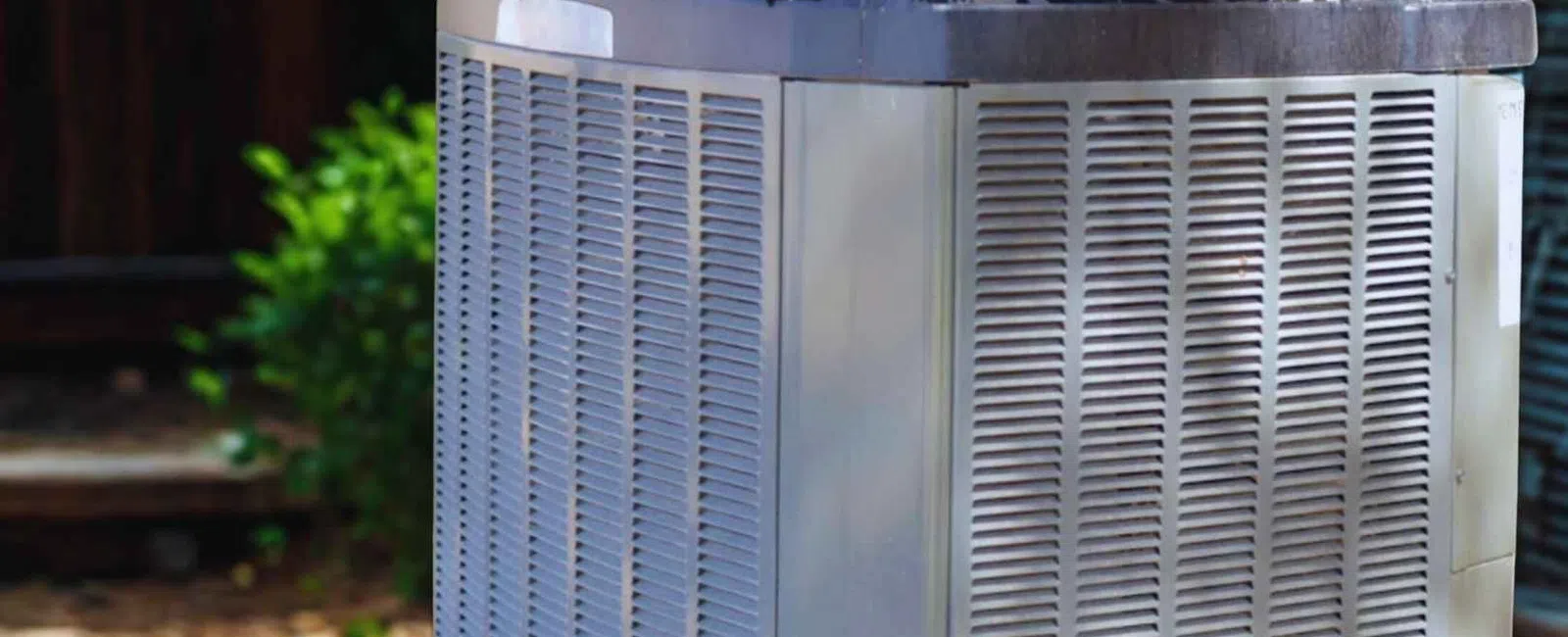
A standard AC replacement in a home with existing ductwork
takes four to eight hours. Most installations start in the morning and finish
the same day. If you are replacing both the air conditioner and the furnace at
the same time, expect eight to fourteen hours. New installations in homes
without existing ductwork take longer, typically one to two full days.
Those are the baseline numbers. A few variables can extend
or compress that window considerably, and knowing which ones apply to your
situation gives you a more accurate picture before the crew arrives.
What Affects Installation Time
Replacement vs. new installation
Replacing an existing system is faster because the
infrastructure is already in place. The technicians remove the old equipment,
install the new unit, connect it to the existing ductwork and electrical, and test
the system. A straightforward swap on a standard home is usually done in half a
day.
Installing central AC in a home that has never had it is a
different scope of work. Running new ductwork through walls, attics, and
crawlspaces adds significant time and typically extends the project to two or
more days, depending on the home's layout.
Ductwork condition
If the existing ductwork is in good condition, installation
moves quickly. If the technicians find significant leaks, disconnected
sections, or undersized runs during the installation, addressing those issues will add time. This is not always something that can be fully assessed before the crew
is on-site and the old system is removed.
System type
A standard split system, with a separate outdoor condenser
and indoor air handler, is the most common residential configuration and the
most straightforward to install. Packaged systems, heat pump systems, and
multi-zone setups each have different connection requirements that can affect
total labor time. Ductless mini-split installations vary widely depending on the number of indoor heads and the required line-set length.
Electrical and access factors
New equipment sometimes requires electrical upgrades. If the
new system draws more amperage than the existing disconnect or panel can
support, an electrician may be needed, which can extend the timeline
or require a separate visit. Equipment located in tight attic spaces,
crawlspaces, or multi-story setups also takes longer to access and maneuver
than equipment in a utility closet or garage.
Permits and inspections
AC installation in Georgia requires a mechanical permit.
Most licensed HVAC contractors handle the permit pull as part of the job. In
Cherokee County and the surrounding North Georgia area, permit processing is
typically straightforward and does not delay the installation itself.
Post-installation inspection, if required, is usually scheduled separately and
does not prevent you from using the system in the meantime.
What Happens on Installation Day
The sequence is fairly consistent across most residential
jobs. Understanding what each phase involves helps set expectations for how the
day will run.
System shutdown and refrigerant recovery
Before anything is removed, the technicians power down the
old system and recover the refrigerant. This step is required by EPA
regulations and must be done by a certified technician. The refrigerant is
captured and reclaimed rather than released into the atmosphere. This phase
takes roughly thirty to sixty minutes, depending on the system.
Removal of old equipment
The outdoor condenser and indoor air handler or coil are
disconnected and removed. On older systems, this can take longer if connections
are corroded, the unit is in a difficult location, or the equipment is
unusually large. The old refrigerant lines are also removed and replaced with
new lines on most jobs, which is standard practice rather than reusing aging
copper lines.
New equipment installation
The outdoor unit is set on a pad, leveled, and secured. The
indoor air handler or evaporator coil is installed in the plenum or air handler
cabinet, reconnected to the ductwork, and wired to the control board and
thermostat. The new line set is run and connected. The condensate drain is
inspected or rerouted as needed. This phase is typically the longest portion of
the day.
System charging and testing
Once the system is connected, the technicians pull a vacuum
on the refrigerant lines to remove moisture and non-condensables before
charging the system to manufacturer specifications. From there, the system is
powered on and tested. The technician checks refrigerant pressures, measures the supply-and-return temperature differential, confirms proper airflow, and
verifies that the thermostat is communicating correctly. Any adjustments are
made before the crew leaves.
Walkthrough and documentation
A thorough installation ends with the technician walking the
homeowner through what was done, explaining how to operate the new thermostat,
reviewing filter maintenance, and providing paperwork, including warranty
registration information. Most manufacturers require that the system be
registered within a certain period of installation to activate the full
warranty term.
How Long You Will Wait for an Appointment
The installation itself is one part of the timeline.
Scheduling is the other.
During spring and fall, most HVAC companies can get a
replacement scheduled within a few days, sometimes the next day. In the middle
of a Georgia summer heat wave, when multiple systems fail in the same week, the
wait can stretch to several days or longer, depending on the company and whether
the equipment is in stock.
If your system has failed and you need cooling immediately,
some contractors prioritize emergency replacements. If the situation is not an
emergency, planning a replacement in spring before peak season avoids the
summer backlog entirely and sometimes makes scheduling easier.
What to Do to Prepare Before the Crew Arrives
A few things on the homeowner's end make installation day
run more smoothly and cleanly.
- Clear the area around both the outdoor unit and the indoor air handler. Technicians need to move equipment in and out, and a clear path speeds things up.
- Make sure someone is home and available for the full duration. Questions come up during installation, and having a decision-maker on-site prevents delays.
- Know where the electrical panel is and confirm the area around it is accessible. If the installer needs to verify breaker labeling or make a wiring change, easy access to the panel saves time.
- Plan to be without cooling for most of the day. Even if the system is up and running by mid-afternoon, it's worth thinking through a backup plan for the warmest part of the day, especially in July.
Ready to Schedule? MR. HVAC Handles Installations Across Cherokee County
MR. HVAC installs new AC systems in Canton, Woodstock, Roswell, Alpharetta, and surrounding Cherokee County communities. We size systems correctly, pull permits, and do not leave until the system is tested and performing to spec. Call us at (770) 213-4111 or visit our AC installation page to schedule an estimate.
If your current system is still running but showing signs of wear, our AC repair team can give you an honest read on whether a repair makes sense or a replacement is the better investment.


