
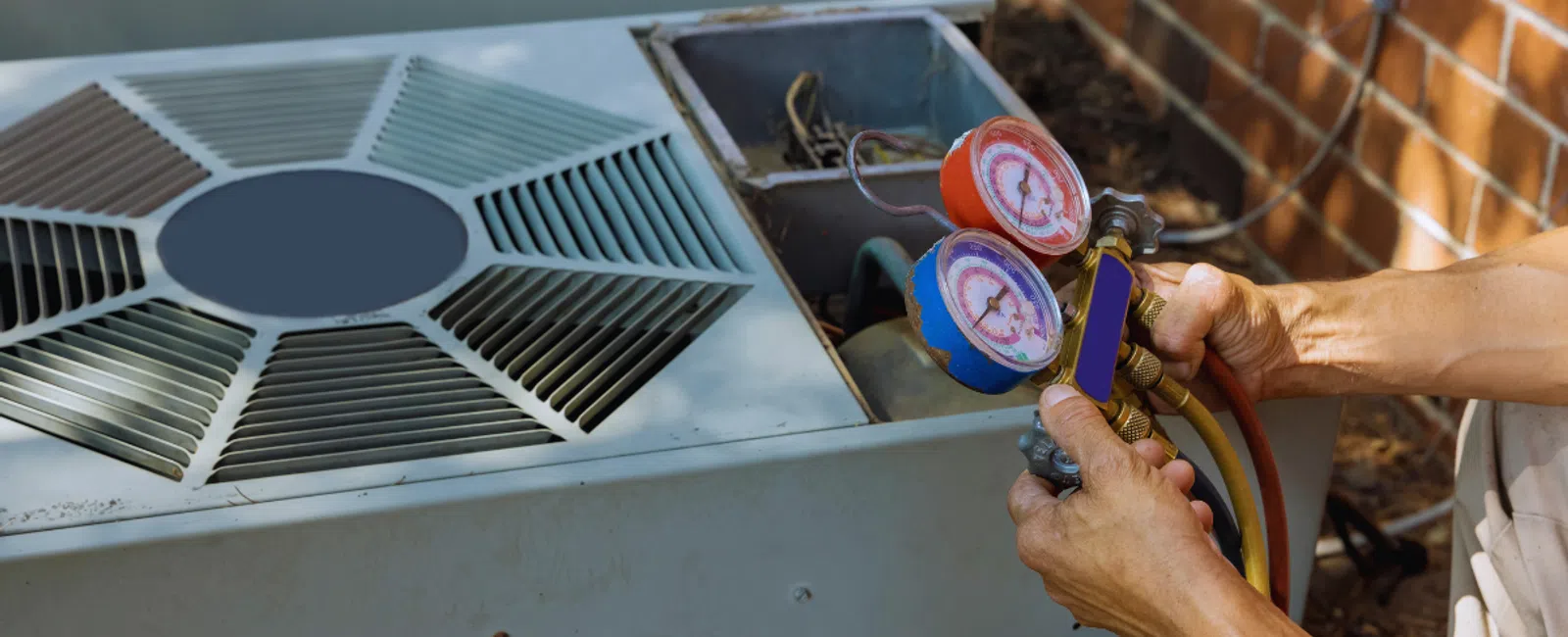
An HVAC emergency is any situation where your heating or cooling system threatens your safety, your health, or your home. If the problem could lead to a fire, a gas or carbon monoxide exposure, dangerous indoor temperatures, or active water damage, it needs attention right away. If it is uncomfortable but stable, it can almost always wait for a scheduled appointment.
True HVAC Emergencies: Call Right Away
The following situations become more dangerous the longer you wait. If you are dealing with any of the following, shut the system down if needed and call for help.
You smell gas, burning, or hot electrical odors
A rotten-egg or sulfur-like smell near a gas furnace indicates a gas leak. Natural gas is odorless on its own, so utilities add a distinctive odor so you can notice it. If you catch it, do not flip switches or light anything. Leave the house, get to fresh air, and call your gas utility and 911 before you call us.
A persistent burning, hot-plastic, or electrical smell is just as serious. It can mean overheating wiring, a failing motor, or a component breaking down inside the system, any of which can lead to a fire. Shut the system off at the thermostat and the breaker, then call for emergency HVAC repair.
You suspect a carbon monoxide leak
Carbon monoxide is the one that worries us the most, because you cannot see it or smell it. A cracked heat exchanger or a malfunctioning gas furnace can leak CO straight into your living space. Warning signs include a furnace flame that burns yellow instead of crisp blue, soot or rust around the unit and vents, and symptoms like headaches, dizziness, or nausea that ease when you leave the house.
If your CO detector sounds, or if anyone in the home feels sick, get everyone outside immediately and call 911. Then have an HVAC professional inspect the system before it goes back on. Every home in Metro Atlanta with gas appliances should have working carbon monoxide detectors, and this is exactly why.
You see sparks, smoke, or a breaker that keeps tripping
Sparks or smoke from your indoor or outdoor unit is a huge concern. Along with a circuit breaker that trips every time the system kicks on. A breaker trips to protect you. When it keeps tripping, it is telling you the equipment is drawing power it should not. Resetting it repeatedly instead of fixing the cause is how electrical fires start. Leave the breaker off and get a technician out.
Your heat fails in freezing weather
When temperatures drop into the 30s and below, a furnace or heat pump that quits becomes more than uncomfortable. It is a real emergency, especially in homes with infants, older adults, or anyone with a health condition. On top of the safety risk, a hard freeze can burst pipes once a home loses heat, which turns one repair into several. No heat on a cold night is worth a same-night call for emergency furnace repair.
Your AC fails during extreme heat
A broken air conditioner during an Atlanta summer is beyond inconvenient. When the heat index climbs into the 90s and above, indoor temperatures can rise fast in a closed-up house, creating genuinely unsafe conditions for children, seniors, pets, and anyone with a respiratory or heart condition. If your home is heating up and will not come back down, that is a true emergency AC repair situation, not something to ride out for three days.
Water is actively leaking or flooding
A little condensation around your unit is normal. Water pouring from the air handler, pooling on the floor, or dripping through the ceiling is not. Active leaks damage drywall, flooring, and electrical components, and standing water near electrical components is a hazard in itself. Shut the system off to stop the flow, then call an HVAC professional so the leak can be traced and stopped before it spreads.
The system will not shut off
If your AC or furnace runs nonstop and will not respond to the thermostat, something in the control or electrical chain has failed, sometimes a contactor that has welded shut. Continuous running can overheat the compressor, stress the system, and run up a utility bill. If you cannot stop it from the thermostat, shut it down at the breaker and call.
What Is Usually Not an HVAC Emergency
Plenty of HVAC problems feel urgent in the moment, but can safely wait for a normal appointment. Knowing the difference saves you stress and an after-hours service call you did not actually need.
These typically can wait until business hours, as long as your home stays at a safe temperature:
- Weak or uneven airflow. Some rooms are warmer or cooler than others, usually pointing to a dirty filter, a duct issue, or an aging blower. It's worth fixing, but not a 2 a.m. problem.
- A higher-than-usual energy bill. A high bill signals lost efficiency, not danger.
- A system that is getting noisy at startup. A brief hum or a popping sound when the system starts is often normal.
- A dirty filter or a maintenance reminder. Important for keeping your system healthy, but not urgent.
- Mild temperature swings in comfortable weather. If it is 70 degrees outside and your AC is acting up, you have time to schedule.
Is No AC an Emergency?
It depends on the weather and who is in the home. During an Atlanta heat wave, a failed air conditioner can absolutely become an emergency, especially when indoor temperatures reach unsafe levels for young children, seniors, pets, or anyone with a health condition. In mild spring or fall weather, a broken AC is usually a same-week repair rather than a same-night one. When in doubt, the deciding factor is whether the indoor temperature is becoming unsafe, not just uncomfortable.
Is No Heat an Emergency?
On a cold North Georgia night, yes. When outdoor temperatures fall toward freezing, a loss of heat can quickly make a home unhealthy for infants, older adults, and anyone with medical needs, and it puts your pipes at risk of freezing and bursting. On a mild day, a no-heat call can typically wait for a scheduled appointment. The same test applies: safety first, comfort second.
Is It an Emergency?
When you are not sure, ask yourself three quick questions:
- Is anyone's safety or health at risk right now? Gas, carbon monoxide, smoke, sparks, or dangerous indoor temperatures all mean yes. Call immediately.
- Is the problem actively damaging my home or my system? Flooding water, or a system that will not shut off, means yes.
- Will waiting until morning make it meaningfully worse? A freeze on the way or a heat wave in full swing tips this toward yes.
If you answered no to all three, you can almost certainly schedule a normal repair. If you answered yes to even one, do not wait it out. If you are still unsure, that is exactly what we are here for. A quick phone call can help you decide before you commit to an after-hours visit.
What to Do While You Wait for a Technician
Once you have called, a few simple steps can keep everyone safer and prevent extra damage:
- If you smell gas or suspect carbon monoxide, leave the house first and call from outside. Do not touch light switches or appliances.
- For an electrical smell, smoke, or repeated breaker trips, turn the system off at the breaker and leave it off.
- In a winter no-heat situation, close off unused rooms, layer up, and use space heaters safely, well away from anything flammable. Never use an oven or stovetop for heat.
- In a summer no-AC situation, close the blinds, run fans, stay hydrated, and check on elderly neighbors and pets.
- For any water leak, shut the system down and move belongings out of the way.
Do Not Wait Out a Real Emergency
Your comfort matters, but your safety matters more. If your system is leaking gas, smoking, sparking, flooding, or leaving your home dangerously hot or cold, that is not a problem to sleep on.
Call MR. HVAC at (770) 213-4111, available 24/7, or schedule service online. We will give you an honest assessment and get your home comfortable and safe again.


