
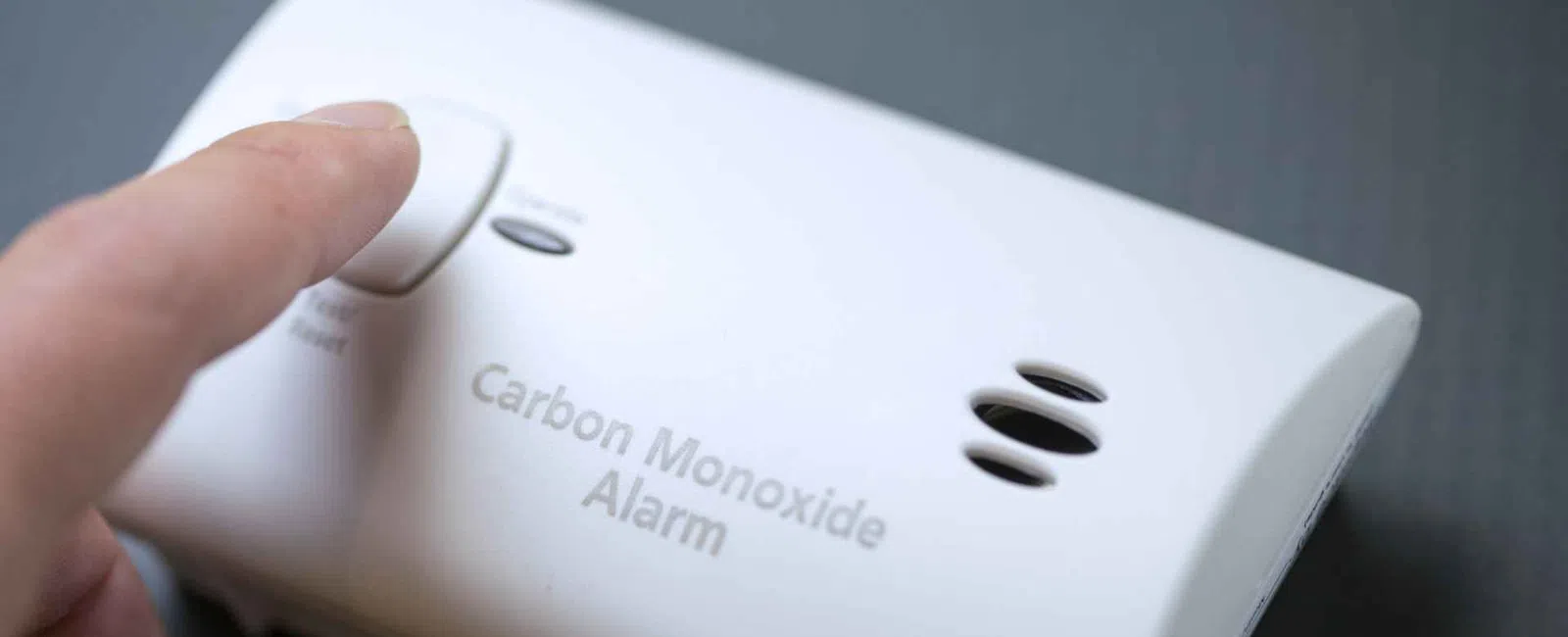
A carbon monoxide detector going off at 2 a.m. is one of the more alarming things that can happen in a home. But not every beep from a CO detector signals an emergency. The pattern matters significantly, and knowing the difference between an alarm, a low-battery warning, and an end-of-life chirp can help you respond appropriately rather than either panicking unnecessarily or ignoring something serious.
If Your Detector Is Sounding a Continuous or Repeating Alarm: This Is an
Emergency
Before getting into beep patterns and diagnostics, one
situation requires immediate action without further reading.
If your detector is producing a loud, repeating alarm
pattern, specifically four beeps followed by a pause and four more beeps, treat
it as a CO emergency. Do not stop to look for the source. Do not assume it is a
false alarm. Do not reset the detector and go back to sleep.
Get everyone out of the home immediately, including pets.
Once outside in fresh air, call 911. Do not re-enter the building until
emergency responders have cleared it and identified the source.
Carbon monoxide is colorless and odorless. You cannot detect
it without a working alarm, and exposure at dangerous levels can cause loss of
consciousness before a person realizes something is wrong. When the detector
says leave, leave.
What Different Beep Patterns Mean
CO detectors use different sound patterns to communicate
different conditions. The specific patterns can vary slightly by manufacturer
and model, but the standards below reflect the most common conventions used by
First Alert, Kidde, and most other major brands. When in doubt, consult the
manual for your specific model.
4 beeps, pause, 4 beeps: CO detected emergency
This is the alarm pattern. It means the detector has sensed
carbon monoxide at a level it considers dangerous. Follow the emergency steps
above: evacuate immediately, call 911 from outside, and do not re-enter until
emergency personnel confirm it is safe.
Some detectors use a continuous, rapid alarm rather than a
counted pattern for the CO alert. If your detector is producing a loud,
sustained sound that does not resemble a chirp or a slow, spaced-out beep,
treat it as an emergency regardless.
1 beep every 30 to 60 seconds: Low battery
A single, quiet chirp at regular intervals is almost always
a low battery warning. This is not an emergency, but it should not be ignored.
A detector with a dying battery cannot reliably detect CO. Replace the
batteries, confirm the detector returns to normal operation, and note the date
so you can track when it will need batteries again.
If you replace the batteries and the chirping continues at
the same interval, the detector may have reached the end of its service life
rather than simply needing new batteries.
5 beeps every minute: End of life
Most CO detectors are designed to last five to seven years.
After that, the electrochemical sensor inside degrades and can no longer
reliably detect CO even if it appears to be functioning. Many models signal
this with a five-beep-per-minute pattern.
When you hear an end-of-life alert, replace the unit.
Continuing to rely on an expired detector creates a false sense of security.
Check the manufacture date printed on the back of the unit, and replace it if
it is more than seven years old, regardless of whether it has started chirping.
3 beeps, pause, 3 beeps: Malfunction or sensor error (some models)
Some detector models use a three-beep pattern to indicate a
sensor malfunction, fault condition, or self-test error rather than a CO alert.
This pattern means the unit may not be functioning correctly and should be
replaced. Consult your model's manual to confirm what the three-beep pattern
indicates, since some brands use it differently.
Intermittent, irregular beeping: Possible nuisance alarm or malfunction
Random or irregular beeping that does not follow a clear
pattern can be caused by dust or debris inside the sensor, high humidity or
steam near the unit, voltage irregularities from a hardwired detector, or a
unit that is reaching the end of its life. Move the detector away from
bathrooms or kitchens if it is positioned near steam sources. Clean around the
vents with a soft brush. If irregular beeping continues without a clear cause,
replace the unit.
After a CO Alarm: What Happens Next
Once emergency responders have cleared your home and
identified or ruled out an active CO source, the next step is to determine where the gas came from and ensure it cannot happen again.
Your furnace is the most likely culprit. Gas-burning heating
equipment, including furnaces, boilers, and water heaters, produces carbon
monoxide as a byproduct of combustion. In a properly functioning system, the
CO is vented safely outside through the flue or exhaust pipe. When something
goes wrong, those gases can instead enter the living space.
Common HVAC-related causes of residential CO include:
- Cracked heat exchanger: The heat exchanger is the sealed metal component inside your furnace that separates combustion gases from the air circulating through your home. A crack in the heat exchanger allows CO to mix into the air your blower distributes through the duct system. This is one of the most serious furnace problems a homeowner can face.
- Blocked or disconnected exhaust pipe: If the furnace flue or exhaust pipe is blocked by debris, a bird nest, ice, or a disconnected joint, combustion gases cannot exit the home properly and can back up into the living space. A blocked exhaust also causes the pressure switch to prevent the furnace from firing, which is why unexplained furnace shutdowns sometimes accompany CO concerns.
- Inadequate combustion airflow: A furnace that does not receive sufficient combustion air produces incomplete combustion, resulting in higher CO concentrations in the exhaust. Causes include blocked air intakes, a sealed utility room without proper ventilation, or a furnace that has been modified without accounting for combustion air requirements.
- Gas fireplace or water heater issues: Other gas appliances in the home can also produce CO if they malfunction or vent improperly. A professional inspection should cover all fuel-burning equipment, not just the furnace.
- Attached garage with running vehicles: A car left running in an attached garage is one of the fastest ways to introduce CO into a home. Even with the garage door open, exhaust from a running engine in an attached space can quickly migrate into the house.
Getting Your HVAC System Inspected After a CO Alarm
Do not restart your furnace or other gas appliances after a
CO alarm until a qualified technician has inspected them. Even if emergency
responders have cleared the home, they are typically looking for immediate
danger, not the underlying cause of a gradual leak.
A furnace inspection after a CO event should include a
visual inspection of the heat exchanger for cracks, a combustion analysis to
measure CO levels in the flue gases, a check of the exhaust pipe from the
furnace to the exterior termination point, and an evaluation of the combustion
air supply.
If the heat exchanger is found to be cracked, the furnace
should not be operated until it is repaired or replaced. This is a situation
where continuing to run the equipment, even briefly, carries real risk.
Keeping Your CO Detectors Working Properly
A CO detector that is expired, has dead batteries, or is
positioned incorrectly provides no real protection. A few straightforward
habits maintain the effectiveness of your detectors.
- Test monthly: Most detectors have a test button. Press it once a month to confirm that the alarm sounds and the unit responds.
- Replace batteries annually: Change them once a year, even if the low-battery alert has not sounded yet. Picking a consistent date, such as the start of the heating season, makes it easy to remember.
- Replace units every 5 to 7 years: Check the manufacture date on the back of each detector. Units older than seven years should be replaced regardless of whether they appear functional.
- Position detectors correctly: CO is roughly the same density as air and distributes throughout a room rather than rising or sinking significantly. Detectors should be installed at roughly chest height on a wall or ceiling in each bedroom, outside sleeping areas, and on every level of the home. Avoid placing them directly adjacent to fuel-burning appliances, in garages, or near windows and vents where fresh air could prevent accumulation from being detected.
- Schedule annual furnace maintenance: A professional tune-up each fall includes inspections of the heat exchanger and exhaust venting, which are the two most common HVAC-related sources of CO. Catching a developing issue during maintenance is significantly better than discovering it through a detector alarm.
Concerned About CO After a Furnace Issue? MR. HVAC Can Help
If your carbon monoxide detector has gone off, or if you
want to make sure your furnace is not a CO risk before heating season arrives,
MR. HVAC serves Canton, Woodstock, Roswell, Alpharetta, and Cherokee County
with thorough furnace inspections and honest diagnostics. Call us at (770)
213-4111 or schedule a
furnace repair visit if your system needs attention. Our furnace maintenance
service includes a full heat exchanger and venting inspection every season, so you are not relying only on your detector as the last line of defense.


