
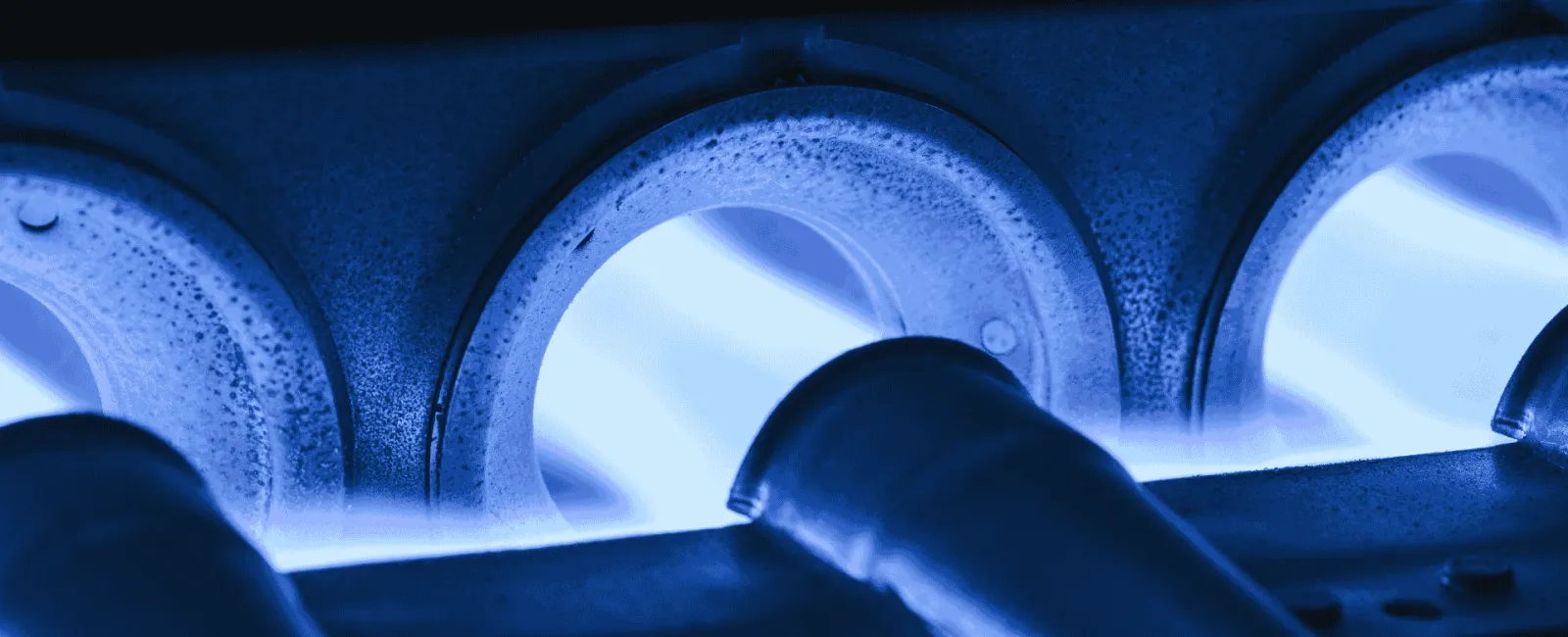
You hear your furnace click on, maybe even feel a brief moment of hope, and then... nothing. No heat and no warm air is flowing through your vents. Just a furnace that won't ignite, leaving you wondering what went wrong and whether you're in for an expensive repair.
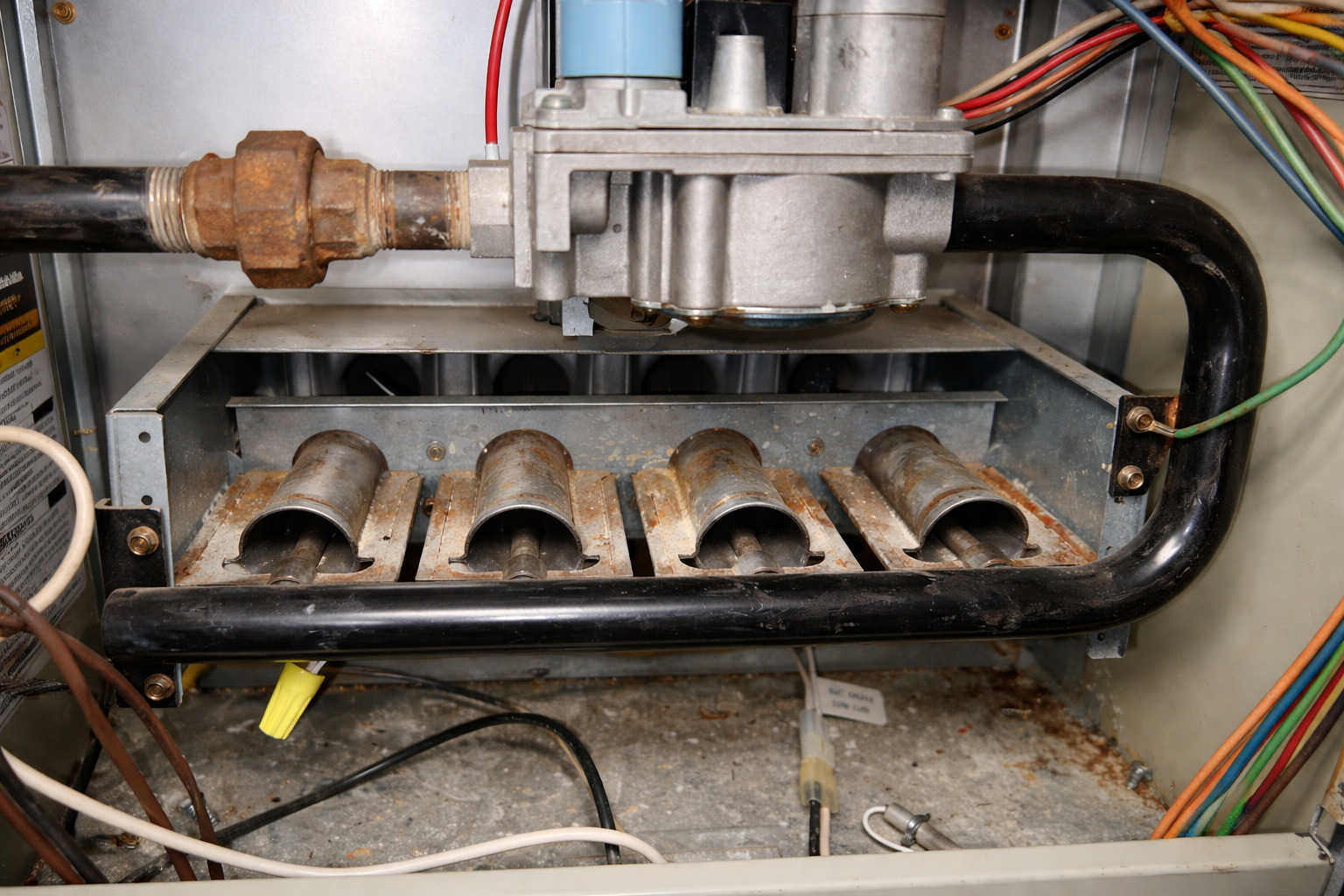
If your furnace is not igniting, you're dealing with one of the most common heating problems we see throughout North Georgia winters. The good news? In most cases, the issue comes down to a handful of predictable causes that a qualified technician can diagnose and resolve quickly.
With over 25 years of experience helping families in Canton, Woodstock, Roswell, and Alpharetta stay warm, we've seen just about every ignition failure scenario. This guide explains why your gas furnace isn't igniting, what's actually happening inside the system, and when it's time to call a professional furnace repair service.
How Your Furnace Ignition System Actually Works
Before diving into what can go wrong, it helps to understand what's supposed to happen when your furnace fires up. Modern gas furnaces don't use the old standing pilot lights your parents might remember. Instead, they rely on electronic ignition systems that follow a precise sequence every time your thermostat calls for heat.
When your thermostat signals the furnace to start, the inducer motor kicks on first to clear any residual gases from the heat exchanger. Once the pressure switch confirms proper airflow, the ignitor heats up (or sparks, depending on your system type). The gas valve then opens, the burners light, and the flame sensor verifies that combustion is actually happening. Only then does the blower motor turn on to distribute warm air through your home.
If any step in this sequence fails, your furnace won't ignite. The system is designed this way on purpose. These safety mechanisms prevent dangerous situations, such as gas buildup or carbon monoxide leaks. So while a furnace that won't light is frustrating, it's actually your heating system doing its job by refusing to operate under potentially unsafe conditions.
7 Common Reasons Your Furnace Won't Ignite
Based on the thousands of furnace repair calls we've handled over the years, here are the most frequent causes of ignition failure, ranked by frequency.
1. Dirty or Failed Ignitor (35% of Cases)
The ignitor is the most common culprit when a furnace won't light. In hot-surface ignition systems, the ignitor is a small silicon carbide or silicon nitride element that glows red-hot to ignite the gas. Over time, these components develop cracks, accumulate residue, or simply wear out from the repeated heating and cooling cycles.
When an ignitor fails, you'll typically hear your furnace go through its startup sequence, but the burners never light. Some homeowners report seeing the ignitor glow briefly before the system shuts down. This usually indicates the ignitor is weakening and can no longer reach the temperature needed for reliable ignition.
Ignitors generally last three to five years, though heavy use during cold North Georgia winters can shorten that lifespan. A licensed HVAC professional can test the ignitor's resistance and determine whether cleaning or replacement is needed.
2. Dirty Flame Sensor (25% of Cases)
The flame sensor is a small metal rod that sits in the burner flame path. Its job is simple but critical: confirm that the burners are actually lit after the gas valve opens. If the sensor doesn't detect a flame within a few seconds, the control board shuts off the gas supply as a safety precaution.
Here's where it gets tricky. A dirty flame sensor can fail to detect a perfectly good flame, causing the furnace to shut down even when the burners ignite briefly. You might notice your furnace lighting for a few seconds before cutting off. This cycle can repeat several times before the system locks out entirely.
Carbon buildup on the flame sensor is extremely common, especially in systems that haven't had regular maintenance. The sensor needs to make clean contact with the flame to generate the electrical signal that keeps the gas valve open.
3. Gas Supply Issues (15% of Cases)
Your furnace can't ignite without fuel. Gas supply problems range from a simple closed valve to more serious issues like a blocked gas line or problems with your gas meter.
Before assuming the worst, check that the gas valve near your furnace is in the open position (the handle should run parallel to the gas line, not perpendicular to it). Also, verify that other gas appliances in your home are working. If your stove or water heater won't light up either, the issue is likely with your gas supply rather than the furnace itself.
If you smell gas near your furnace or anywhere in your home, leave immediately and call your gas company from outside. Gas leaks are serious emergencies that require immediate professional attention.
4. Thermostat Problems (10% of Cases)
Sometimes, a furnace not igniting has nothing to do with the furnace at all. If your thermostat isn't sending the signal to start the heating cycle, your furnace will sit idle no matter how cold your house gets.
Dead batteries are a surprisingly common cause, especially in wireless thermostats. Incorrect settings can also be the culprit. Make sure your thermostat is set to "heat" mode (not "cool" or "off") and that the target temperature is set higher than the current room temperature.
Older thermostats can also develop wiring issues or lose calibration over time, sending inconsistent or no signals to the furnace. A furnace technician can test the thermostat connection and determine whether the device needs adjustment or replacement.
5. Dirty Air Filter Causing Overheating (8% of Cases)
A clogged air filter might not seem related to ignition problems, but it can absolutely prevent your furnace from lighting or staying lit. When airflow is restricted, the heat exchanger can overheat, triggering the high limit switch to shut down the system as a safety measure.
In some cases, the furnace will attempt to ignite, run briefly, then shut off when it overheats. This cycle stresses the ignitor, flame sensor, and other components, potentially leading to additional failures down the road.
Checking your air filter is one of the few things you can safely do yourself. If the filter is visibly dirty or clogged, replace it and see if your furnace operates normally. Filters should be changed every one to three months, depending on your household conditions.
6. Pressure Switch Failure (5% of Cases)
The pressure switch is a safety device that verifies that the inducer motor is producing proper airflow before allowing ignition. If the pressure switch doesn't close, the control board won't activate the ignitor or open the gas valve.
Pressure switch issues can stem from a failed switch, a cracked or disconnected pressure hose, or problems with the inducer motor itself. Blocked exhaust vents can also prevent the pressure switch from closing, since the system can't establish a proper draft.
Diagnosing pressure switch problems requires specialized equipment and knowledge of the furnace's operating sequence. This is definitely a job for professional furnace service.
7. Control Board Malfunction (2% of Cases)
The control board is the brain of your furnace, coordinating the entire ignition sequence and monitoring all safety switches. When the control board fails, the furnace may not attempt ignition at all, or it may get stuck in an endless loop of failed startup attempts.
Control board failures are less common than other ignition problems, but they do happen, especially in older furnaces or systems that have experienced power surges. Some control boards have diagnostic LED lights that flash error codes, helping a technician identify the specific issue.
What Happens During a Professional Diagnosis
When you call for heating repair, a qualified technician will systematically work through the ignition sequence to identify the point of failure. This typically involves checking the voltage to the ignitor, testing the flame sensor microamps, verifying the gas pressure, and inspecting all safety switches.
Modern furnaces often store error codes that point directly to the problem. Your technician can read these codes and correlate them with your symptoms to quickly pinpoint the issue.
Most ignition problems can be resolved in a single service visit once the cause is identified. Common repairs include cleaning or replacing the ignitor, cleaning the flame sensor, adjusting gas pressure, or replacing failed safety switches.
When to Call for Professional Help
While checking your thermostat settings and replacing a dirty air filter are safe for homeowners to handle, most furnace ignition problems require professional diagnosis and repair. Gas furnaces involve combustion, electrical components, and multiple safety systems that need to work together precisely.
Call a professional if your furnace won't ignite after basic troubleshooting, if you notice unusual sounds or smells during startup attempts, if the system repeatedly tries to light but fails, or if you see error codes flashing on your furnace control board.
Our family-owned team has been helping North Georgia homeowners with furnace problems for over 25 years. We understand how stressful it is when your heat goes out, especially during our unpredictable winter weather. If your furnace isn't igniting, give us a call. We'll get your home warm again.
Frequently Asked Questions
Why does my furnace click but not ignite?
Clicking without ignition typically indicates the control board is attempting to start the ignition sequence, but something is preventing the ignitor from lighting the gas. Common causes include a failed ignitor, closed gas valve, or pressure switch that won't close due to airflow problems.
Can a dirty filter cause my furnace not to ignite?
Yes. A severely clogged filter restricts airflow, which can cause the furnace to overheat and trigger safety shutoffs. In some cases, this prevents the ignition sequence from completing. Always check your filter first when troubleshooting heating problems.
How long do furnace ignitors last?
Most furnace ignitors last between three and five years with normal use. However, ignitors in heavily used systems may fail sooner. If your furnace is approaching this age range and experiencing ignition problems, the ignitor is a likely suspect.
Is it dangerous if my furnace won't ignite?
A furnace that won't ignite is frustrating but not inherently dangerous. Modern furnaces have multiple safety features that prevent gas from flowing if ignition doesn't occur. However, if you smell gas at any point, leave your home immediately and contact your gas company.
Should I try to fix furnace ignition problems myself?
Beyond checking your thermostat and replacing the air filter, furnace ignition repairs should be left to professionals. Gas furnaces involve combustion and electrical hazards that require proper training and equipment to address safely. Attempting repairs without the right knowledge can create dangerous situations or cause additional damage to your system.


