
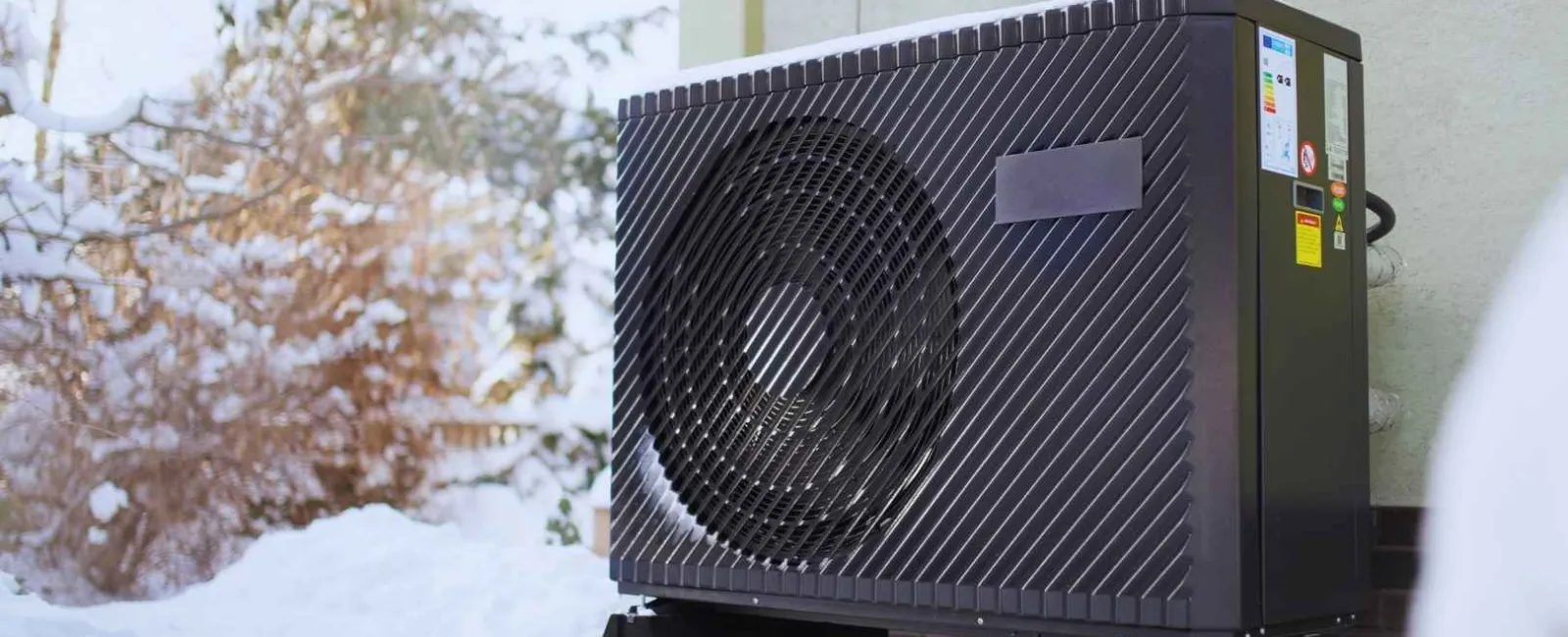
It's a cold January morning in North Georgia, and you've set
your thermostat to heat, but cold air is blowing from your vents. If your heat
pump is blowing cold air when it should be warming your home, you're dealing
with one of the most common winter HVAC complaints we receive.
For over 25 years, our
family-owned team at MR. HVAC has diagnosed thousands of heat pump issues
across Canton, Woodstock, Roswell, and Alpharetta. The good news? In most
cases, a heat pump blowing cold air in heat mode has a straightforward
explanation, and sometimes it's not even a problem.
In this guide, we'll explain how
your heat pump actually produces heat (it's different from a furnace in ways
that surprise most homeowners), walk through the seven most common causes
ranked by how frequently we encounter them, and help you determine whether
you're dealing with normal operation or a real issue that needs professional
attention.
How Your Heat Pump Actually Produces Heat (The Critical Difference From a
Furnace)
Before diagnosing why your heat pump is blowing cold air,
you need to understand something fundamental: heat pumps don't generate heat
the way furnaces do. This single fact explains why many homeowners mistakenly
think their heat pump isn't working when it's actually operating normally.
A furnace burns fuel (gas or oil)
or uses electric resistance to create heat, producing air temperatures between
130-140°F at the supply vents. A heat pump works completely differently. It
extracts heat from outdoor air and transfers it indoors using a refrigerant. Even when it's 30°F outside, there's still heat energy in the air
that your heat pump can capture.
Here's the key point: heat pumps
typically produce supply air temperatures between 85-95°F. That's warm enough
to heat your home effectively, but it feels noticeably cooler than furnace air
when it hits your skin. Your body temperature is 98.6°F, so air at 90°F can
actually feel "cool" even though it's actively heating your space.
This temperature difference is the
number one reason homeowners call us, thinking their heat pump is broken when
it's working exactly as designed. If you recently switched from a furnace to a
heat pump, this adjustment period is completely normal.
7 Causes Your Heat Pump Is Blowing Cold Air (Ranked by Frequency)
Based on our service calls across North Georgia, here are
the most common reasons heat pumps blow cold air, ranked by how often we
encounter each one.
1. Normal Defrost Cycle (35% of "Problem" Calls)
What's happening: Your heat pump isn't malfunctioning
at all. It's running a defrost cycle, which is a completely normal and
necessary operation. During defrost, the system temporarily reverses into
cooling mode to melt ice that has accumulated on the outdoor coil. During this
brief period (typically 1-10 minutes), the system blows cool air into the room.
Why it occurs: When outdoor
temperatures drop below 40°F and humidity is present, frost naturally forms on
the outdoor coil. This is physics, not a defect. The defrost cycle prevents ice
buildup that would otherwise block airflow and reduce heating efficiency. Most
systems run defrost cycles every 30-90 minutes during cold, humid weather.
Signs this is your situation:
- Cold air lasts only 1-10 minutes, then warm air returns
- You see steam rising from the outdoor unit during the cold air period
- Outdoor temperatures are between 25-45°F with high humidity
- The outdoor fan stops during the cold air period
The solution: No action
needed. This is normal operation. However, if defrost cycles run constantly (for more than 10-15 minutes) or occur every few minutes, that could
indicate a problem with the defrost control board or sensors. In that case,
schedule a professional heat pump inspection to ensure the system is operating correctly.
2. Thermostat Set Incorrectly (20% of Cases)
What's happening: The thermostat is accidentally set
to "cool" mode instead of "heat," or the fan is set to
"ON" instead of "AUTO." When the fan runs continuously in
ON mode, it circulates air even when the heat pump isn't actively heating, which can make the air feel cold.
Why it occurs: Thermostat
buttons get bumped. Family members change settings. Power outages can reset
programmable thermostats. Some smart thermostats have modes that aren't
immediately obvious. It's also easy to confuse the snowflake (cool) and sun
(heat) icons, especially on older thermostats.
Signs the thermostat is the
issue:
- Cold air blows continuously, not just in short cycles
- The outdoor unit's fan is running (in cool mode, you'll hear it)
- Problem started after a power outage, or someone adjusted the settings
The solution: Check your
thermostat settings. Confirm it's set to "HEAT" mode (not
"COOL" or "AUTO" changeover). Set the fan to
"AUTO" rather than "ON." If you have a programmable or
smart thermostat, verify the schedule hasn't been changed. This is a quick fix
that doesn't require any service call.
3. Low Refrigerant Levels (15% of Cases)
What's happening: Your heat pump relies on
refrigerant to transfer heat from outdoor air into your home. When refrigerant
levels drop due to a leak, the system can't absorb enough heat energy to warm
your home effectively. The result is air that feels lukewarm or cold.
Why it occurs: Refrigerant
doesn't get "used up" like fuel. If levels are low, there's a leak
somewhere in the system. Common leak points include the evaporator coil,
condenser coil, refrigerant lines, and service valve connections. Leaks can
develop from vibration, corrosion, or manufacturing defects and often worsen
over time.
Signs of low refrigerant:
- Ice forming on refrigerant lines or the outdoor coil (beyond normal frost)
- Hissing or bubbling sounds near the outdoor unit
- Heating performance has gradually declined over weeks or months
- The system also had cooling problems last summer
- Higher than normal energy bills
The solution: Simply adding
refrigerant without fixing the leak is throwing money away. A proper repair
involves locating the leak using electronic detection or UV dye, repairing the
leak point, and then recharging the system to manufacturer specifications. This
requires certified heat pump repair by
EPA-licensed technicians who can handle refrigerants safely and legally.
4. Dirty Air Filter Restricting Airflow (12% of Cases)
What's happening: A severely clogged air filter
restricts airflow across the indoor coil. Without adequate airflow, the system
can't transfer heat efficiently into your home. In extreme cases, restricted
airflow can cause the indoor coil to freeze, compounding the problem.
Why it occurs: Filters capture dust, pet dander, pollen, and debris to protect your air quality and equipment. Over time, they become clogged. North Georgia's pine pollen season significantly accelerates this process. Homes with pets, smokers, or
recent construction tend to have filters clog faster.
Signs your filter is the
problem:
- You can't remember the last time you changed the filter
- Airflow from vents feels weaker than normal
- The filter looks gray or brown when you check it
- Dust accumulation around vents has increased
The solution: Check and
replace your filter. This is the easiest DIY maintenance task and should be
done every 1-3 months, depending on your home's conditions. If the filter is
extremely dirty and you've been experiencing problems, the indoor coil may also
need professional cleaning to restore full performance.
5. Outdoor Unit Blocked or Iced Over (10% of Cases)
What's happening: The outdoor unit can't extract heat
from the air if airflow is blocked by debris, vegetation, or excessive ice
buildup. When the outdoor coil can't breathe, your heat pump's heating capacity
drops dramatically.
Why it occurs: Leaves, pine
straw, and debris accumulate around outdoor units, especially in the fall. Over time, shrubs and vegetation grow too close together. After winter storms, snow and ice can
encase the unit. If the defrost cycle malfunctions, ice can build up to the
point where it blocks the entire coil.
Signs the outdoor unit is the
problem:
- Visible debris, leaves, or vegetation touching or surrounding the unit
- Ice covering more than just the top of the coil
- Problem started after a storm or extended cold spell
- You haven't inspected the outdoor unit recently
The solution: Clear debris
and maintain 2 feet of clearance around all sides of the outdoor unit. If ice
has built up, you can gently remove loose snow, but never chip at ice or pour
hot water on the unit. If the unit is encased in ice that doesn't clear after
running in heating mode for a few hours, the defrost system may be
malfunctioning and requires professional heat pump
service.
6. Faulty Reversing Valve (5% of Cases)
What's happening: The reversing valve is a critical
component that switches your heat pump between heating and cooling modes by
redirecting refrigerant flow. When this valve fails or gets stuck, your system
may be unable to switch into heating mode, leaving it running in cooling mode
even when you've selected heat.
Why it occurs: Reversing
valves can fail due to electrical problems with the solenoid, internal
mechanical wear, or debris in the valve body. Sometimes the valve gets stuck
mid-position and can't fully switch in either direction.
Signs of a reversing valve
problem:
- System cools when set to heat (or vice versa)
- Heat pump worked fine in cooling mode, but won't heat
- You hear a "whooshing" sound when the system tries to switch modes
- System performance is inconsistent, sometimes heating and sometimes not
The solution: Reversing
valve diagnosis and repair are not DIY jobs. It requires specialized tools and
expertise to determine whether the problem lies with the valve, the solenoid,
or the control board. A qualified heat pump
technician can diagnose the issue and determine the most
cost-effective repair.
7. Auxiliary Heat Not Engaging (3% of Cases)
What's happening: Most heat pump systems include
auxiliary (backup) heat, typically electric resistance strips, that kick in
when outdoor temperatures drop too low for the heat pump to keep up on its own.
If this auxiliary heat fails to engage, you'll feel cold air during the coldest
weather, even though the heat pump itself is working.
Why it occurs: Auxiliary
heat can fail due to a tripped breaker (it often has its own circuit), a faulty
sequencer relay, burned-out heating elements, or a malfunctioning thermostat
that isn't calling for backup heat when needed.
Signs auxiliary heat isn't
working:
- House stays comfortable in mild weather, but can't maintain temperature during very cold spells
- Thermostat never shows "AUX" or "emergency heat" indicator
- Problem only occurs when outdoor temperatures drop below freezing
The solution: First, check
your electrical panel for a tripped breaker labeled for the air handler or heat
strips. If the breaker is fine, the issue likely involves the sequencer,
heating elements, or thermostat wiring. This requires professional diagnosis and heat pump repair.
Quick Diagnostic Guide: Identify Your Issue
Use these questions to narrow down the likely cause:
- Does the cold air last only 1-10 minutes before warm air returns? This is likely a normal defrost cycle. No action needed.
- Is your thermostat set to HEAT mode with fan on AUTO? If not, adjust settings and wait 15 minutes.
- When did you last change your air filter? If you can't remember, check and replace it now.
- Is the outdoor unit covered in ice or surrounded by debris? Clear the area and allow time for the ice to melt during normal operation.
- Do you hear hissing sounds or see ice on refrigerant lines? This suggests a refrigerant leak requiring professional service.
- Did the system cool fine last summer, but won't heat now? The reversing valve may be stuck and needs professional diagnosis.
- Does your thermostat show AUX heat during very cold weather? If not, auxiliary heat may not be engaging.
When to Call a Professional
While checking your thermostat, filter, and outdoor unit are
quick DIY steps, several situations require professional attention:
- Ice buildup on the outdoor unit that doesn't clear within a few hours of operation
- Hissing sounds or visible ice on refrigerant lines
- System cools when it should be heating
- Defrost cycles running constantly or lasting more than 15 minutes
- Cold air continues after you've verified thermostat settings and filter
- The system hasn't been professionally maintained in over a year
With over 25 years of experience
serving North Georgia families, we've diagnosed and repaired thousands of heat
pump issues. Our technicians have the training and tools to quickly identify the root cause and get your home warm again.
The Bottom Line
When your heat pump is blowing cold air, the most likely
explanations are a normal defrost cycle (35% of cases) or incorrect thermostat
settings (20% of cases). These two causes account for over half of the "my
heat pump is blowing cold air" calls we receive, and neither requires a
repair.
Start by understanding that heat
pump air feels cooler than furnace air by design. Then check your thermostat
settings, verify your filter is clean, and inspect the outdoor unit for ice or
debris. If none of those solve the problem, or if you notice warning signs such as hissing sounds, constant ice buildup, or a system that won't switch modes, it's time for a professional diagnosis.
Contact MR. HVAC for professional heat pump repair and service in
Canton, Woodstock, Roswell, Alpharetta, and throughout North Georgia.
Frequently Asked Questions
Why does my heat pump blow cold air for a few minutes, then warm up?
This is almost certainly your heat pump running its defrost
cycle, which is completely normal. During defrost, the system temporarily runs
in cooling mode to melt frost from the outdoor coil. This typically lasts 1-10
minutes and happens every 30-90 minutes during cold, humid weather. You might
see steam rising from the outdoor unit during defrost. Once the cycle
completes, warm air will resume. If defrost cycles seem to run constantly or
last longer than 15 minutes, that could indicate a control board issue worth
investigating.
Is it normal for heat pump air to feel lukewarm instead of hot?
Yes. Heat pumps produce supply air temperatures between
85-95°F, which feels noticeably cooler than the 130-140°F air from a gas
furnace. Since your body temperature is 98.6°F, the air from a heat pump can feel lukewarm even when it's actively heating your home. If you recently switched
from a furnace, this adjustment can be surprising. The test isn't how the air
feels on your hand but whether your home reaches and maintains the set
temperature.
Why is my heat pump blowing cold air in winter, but worked fine for cooling?
This pattern often points to a reversing valve problem. The reversing valve switches refrigerant flow between heating and cooling modes. If it's stuck in the cooling position, the system will cool even when you've selected heat. Other possibilities include thermostat wiring issues or a failed defrost control. Since the reversing valve is a critical component that requires specialized diagnosis, this situation warrants a professional inspection.


