
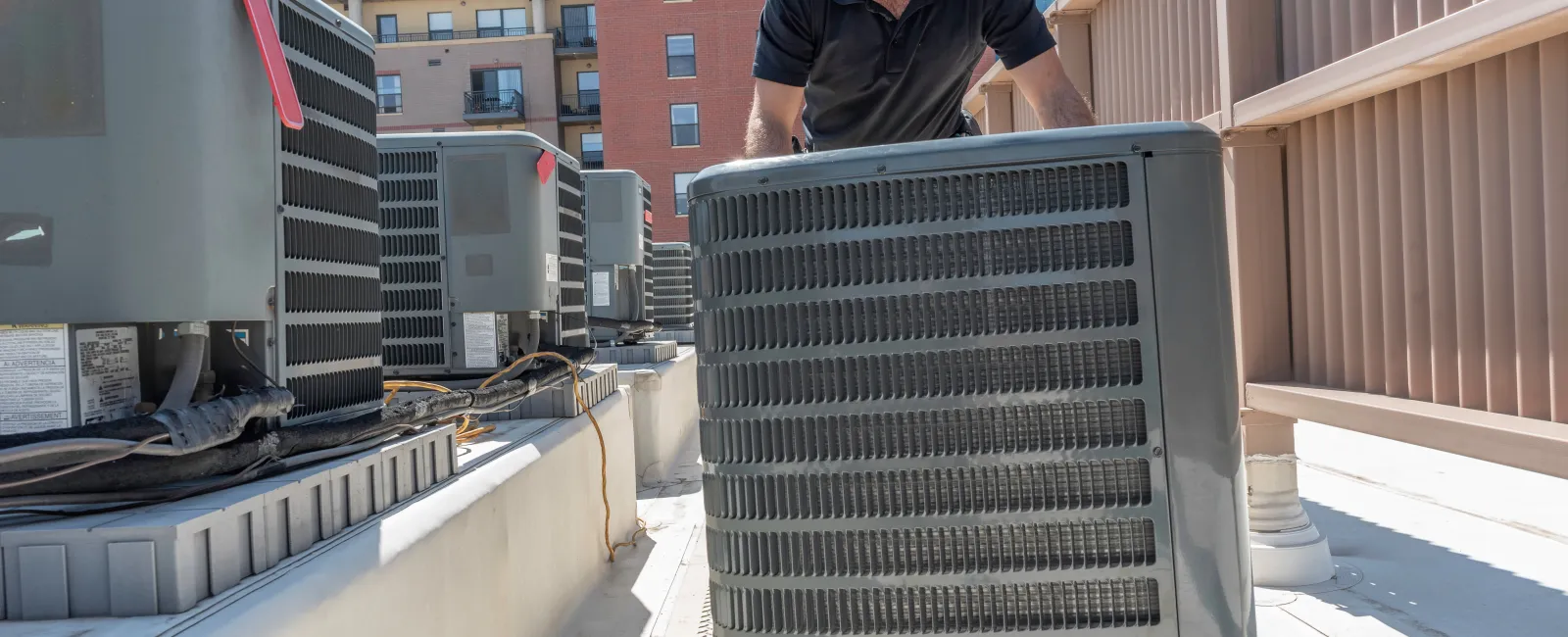
When your air conditioner is running the way it should, it follows a steady rhythm: turn on, cool your home for a good stretch, then shut off until the temperature rises again. But if your AC is flipping on and off every few minutes, that's a sign of something more serious. This annoying stop-start pattern is called AC short cycling, and it's one of the fastest ways to wear out an air conditioner long before its time.

If your AC has started doing this recently, don't ignore it. Short cycling almost always points to an underlying problem, something that needs attention before the system overheats, freezes, or breaks down completely. Below, we'll walk you through what short cycling is, why it happens, and what you can do to fix it before it becomes an expensive headache. And if you'd rather let a pro take a look, a routine AC tune-up is usually all it takes to pinpoint the issue quickly.
What Exactly Is AC Short Cycling?
Short cycling is when your air conditioner:
- Turns on normally
- Runs for a very short period, often less than five minutes
- Shuts off abruptly before reaching the thermostat's set temperature
- Starts back up again shortly after
Not only is this frustrating to listen to, but it also puts massive strain on the compressor, the most expensive part of your AC system. Left unchecked, short cycling can increase energy bills, shorten the lifespan of your unit, and lead to surprise breakdowns during the hottest days of the year.
The good news? Most causes of short cycling are fixable, and many of them are minor. Even better news: a seasonal air conditioning tune-up can catch most of these problems early, long before you notice anything unusual.
Why AC Short Cycling Is a Problem You Should Never Ignore
It's tempting to assume short cycling is just an annoyance. But the damage it causes isn't subtle. Each time your AC starts, the compressor pulls a huge amount of power and takes on the most mechanical stress it will experience during the cycle. Multiply that by dozens, or even hundreds, of extra starts per day, and you've got a recipe for early system failure.
Short cycling leads to:
- Higher energy bills because the startup uses far more electricity than steady operation.
- Excessive wear on the compressor shortens its lifespan.
- Poor humidity control leaves your home sticky and uncomfortable.
- Hot and cold spots since air never circulates long enough to balance temperatures.
- Frequent repairs due to stressed electrical components and safety switches.
If your AC has been short-cycling for more than a day or two, there's a very good chance you're dealing with something that needs a professional's attention. Even something small, like a dirty filter, can lead to bigger issues if ignored.
Common Causes of AC Short Cycling (And What You Can Do)
Short cycling can be caused by airflow problems, refrigerant issues, electrical faults, improper sizing, or a combination of several small problems. Here are the most common culprits and how to fix them.
1. A Dirty or Clogged Air Filter
If your air filter is overdue for a change, restricted airflow can cause your evaporator coil to get too cold. Once the coil starts to freeze, the system will shut itself down early to prevent further damage. A few minutes later, the ice melts a bit, the AC senses the temperature rising, and the cycle repeats.
What you can do:
- Check your filter and replace it if it's dirty or clogged.
- Make sure you're using the right filter size and MERV rating.
- Keep return vents open and clear of furniture.
If replacing the filter doesn't solve the problem, restricted airflow may be coming from somewhere deeper inside the system, something a tune-up can diagnose quickly.
2. Thermostat Issues or Bad Thermostat Placement
If your thermostat is getting inaccurate readings, your AC may shut off too soon. A thermostat installed near a supply vent, in direct sunlight, or close to an exterior door can register temperatures that don't represent the rest of your home.
Other thermostat-related causes include:
- Dead or low batteries
- Dust buildup is interfering with sensors
- Faulty thermostat wiring
What you can do:
- Replace the batteries if applicable.
- Make sure your thermostat is set to "Cool" and "Auto."
- Check that vents aren't blowing directly onto it.
If the thermostat is old or in the wrong location, a technician can relocate or replace it during an AC checkup.
3. Low Refrigerant or a Refrigerant Leak
When refrigerant levels drop, usually because of a leak, your system struggles to absorb heat effectively. That can cause the evaporator coil to freeze and trigger the safety mechanisms that lead to short cycling.
Signs of a refrigerant leak include:
- Hissing or bubbling sounds near the indoor or outdoor unit
- Ice on refrigerant lines
- AC blowing warm or barely cool air
This is not a DIY fix. Refrigerant handling requires EPA certification. A technician must:
- Find the leak
- Repair the leak if possible
- Recharge the system with the correct refrigerant level
Refrigerant issues are one of the most common problems uncovered during a professional AC tune-up service.
4. A Frozen Evaporator Coil
The evaporator coil can freeze for several reasons: poor airflow, low refrigerant, duct restrictions, or even a dirty coil surface. When ice builds up, your AC can't move air properly, so it shuts off early and restarts as the ice melts, classic short cycling.
What you can do:
- Turn off the AC immediately.
- Switch the thermostat to "Fan On" to help melt the ice faster.
- Check the air filter and replace it if needed.
If the coil freezes again after thawing, you have a deeper problem that needs attention from a technician.
5. An Oversized Air Conditioner
When an AC unit is too large for the home, it cools the house quickly but shuts off before it has a chance to dehumidify properly. That rapid cycle leads to uncomfortable humidity levels and constant starts and stops.
What you can do:
Unfortunately, there's no adjustment or repair that can "shrink" an oversized system. A tech can confirm the sizing and talk through options, including long-term replacement planning or airflow adjustments that can help reduce the severity of short cycling in the meantime.
6. Electrical or Safety Control Problems
Your AC has several safety switches designed to shut the system down if something isn't operating correctly. A failing capacitor, worn contactor, loose wiring, or overheating compressor can all cause short cycling.
Warning signs include:
- Frequent clicking or buzzing from the outdoor unit
- The AC starts loudly or struggles to turn on
- A burning or electrical smell from the system
What you can do:
A trained professional should always handle electrical issues. During an AC inspection, a technician can test capacitors, safeties, and control boards to pinpoint the failing component.
7. A Clogged Condensate Drain or Stuck Float Switch
When your AC pulls moisture out of the air, that water normally drains through a thin PVC line. But if the drain line clogs with algae or debris, the float switch shuts the system down to prevent overflow. Once some water drains or evaporates, the unit turns back on—leading to repeated short cycles.
What you can do:
- Check for water around the indoor unit.
- Inspect the drain line outside to see if water is dripping normally.
- Use a wet/dry vacuum to pull out minor clogs.
If the drain keeps backing up, it's time for a professional cleaning.
Can Short Cycling Damage Your Air Conditioner?
Absolutely. In fact, short cycling is one of the leading causes of early compressor failure, and the compressor is the single most expensive part of the system to replace.
Here's what short cycling does over time:
- Overheats the compressor
- Stresses electrical components
- Triggers repeated high-pressure and low-pressure shutdowns
- Increases system vibration
- Accelerates wear on the blower motor and fan motor
The sooner you address short cycling, the better your chances of avoiding major repairs.
Simple Checks You Can Try Before Calling a Technician
Not every case of short cycling requires a major repair. Before you call for service, take a minute to check:
- Your thermostat settings ("Cool" + "Auto").
- Your air filter (replace if dirty).
- All supply and return vents (keep everything fully open).
- Ice on refrigerant lines (if present, turn the system off immediately).
- Outdoor unit clearance (should have at least 2 feet all around).
If these simple steps don't solve the problem, it's time to schedule a professional AC tune-up and diagnostic.
When to Call a Professional for AC Short Cycling
You should call an HVAC technician if:
- Your AC short cycles more than a few times per hour
- You hear odd sounds along with the short cycling
- Your home's humidity is suddenly high
- You notice ice on the refrigerant lines or coil
- Your energy bill has spiked without explanation
A trained tech will run a full diagnostic, measure refrigerant levels, test electrical components, check airflow, and inspect the coil to determine exactly what's causing your AC to shut down early.
Stop Short Cycling Before It Becomes a Major Repair
AC short cycling is more than a comfort issue; it's a sign your system is trying to protect itself from damage. The longer it continues, the more stress your compressor takes on, and the more likely a breakdown becomes.
Scheduling a professional air conditioner tune-up is the fastest way to get to the bottom of the problem. A tune-up catches airflow problems, refrigerant leaks, thermostat issues, electrical failures, and coil problems long before they cause costly repairs.
If your AC is short-cycling or you just want peace of mind heading into the hotter months, book a tune-up with a certified HVAC technician and keep your home comfortable all summer long.


