
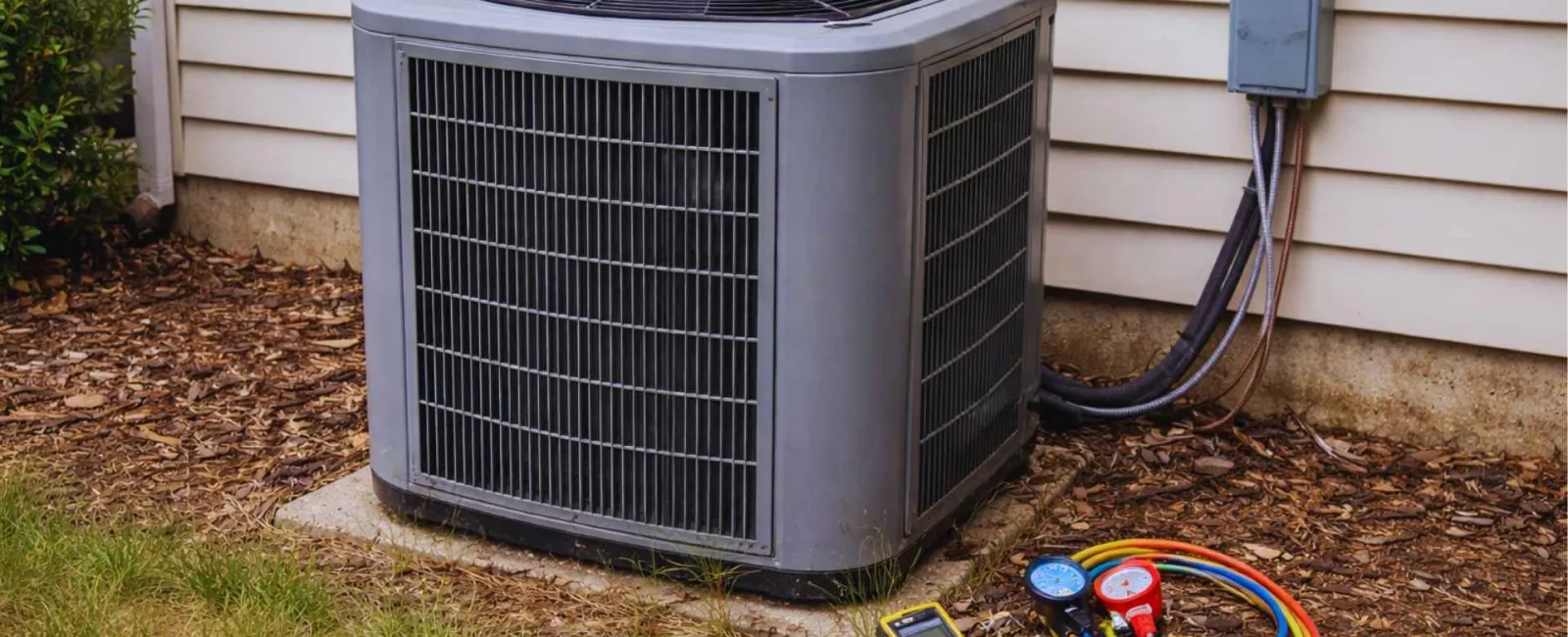
Your air conditioner shouldn't sound like an angry beehive. When a healthy AC system runs, you hear the whoosh of air through vents, maybe a gentle hum from the outdoor unit, and that's about it. So when a persistent buzzing noise starts up, it's not background noise you should tune out. It's your system telling you something is under stress.
The tricky part about AC buzzing is that it can come from several different components, each with its own level of urgency. Some causes are relatively minor. Others, if ignored, can lead to compressor failure and a repair bill that rivals the cost of a new system. Understanding what creates that sound helps you know whether you're dealing with a simple fix or something that needs immediate professional AC repair.
Why AC Systems Buzz in the First Place
Most buzzing noises from air conditioners trace back to one of two categories: electrical stress or mechanical vibration. Electrical buzzing occurs when a component is struggling to perform its function, often because it's wearing out or not receiving the power it needs. Mechanical buzzing typically involves loose or unbalanced parts or parts rubbing against something they shouldn't.
What makes diagnosis tricky is that both types of buzzing can sound similar to an untrained ear. A failing capacitor and a loose access panel might produce comparable sounds, but one is a ticking time bomb for your compressor while the other just needs a screwdriver. That's why paying attention to when the buzzing occurs, where it comes from, and what else is happening with your system can help narrow down the cause.
Common Causes of a Buzzing AC
Failing Capacitor
The capacitor is one of the most common culprits of AC buzzing and one of the most important components in your outdoor unit. Think of it as a battery that stores electrical energy and releases it in a burst to help start the compressor and fan motor. Without that initial jolt of power, these motors struggle to get going.
When a capacitor starts to fail, it can't deliver the electrical punch the motors need. The result is often a humming or buzzing sound as the motor tries repeatedly to start but can't quite get there. You might notice the buzzing is loudest right when the system kicks on, then either the unit starts running (if the capacitor still has some life) or the buzzing continues without the fan spinning.
Capacitors degrade naturally over time, but North Georgia's hot, humid summers accelerate the process. Heat is hard on capacitors, and systems that run constantly during the summer months see more wear. A capacitor that's five to seven years old in our climate is often approaching the end of its useful life. The good news is that capacitor replacement is a straightforward repair. The bad news is that continuing to run your system with a weak capacitor forces other components to work harder, potentially damaging the compressor.
Worn or Pitted Contactor
The contactor is an electrical switch inside your outdoor unit that controls when the compressor and condenser fan receive power. When your thermostat calls for cooling, it sends a low-voltage signal to the contactor, which then closes a circuit and allows high-voltage electricity to flow to the major components.
Over thousands of cycles, the contact points inside this switch can become pitted, corroded, or worn. When that happens, the electrical connection becomes inconsistent. Instead of a clean on-off action, you get arcing, chattering, or a steady buzz as electricity struggles to flow across damaged contacts.
A buzzing contactor is more than just annoying. Electrical arcing generates heat, which can damage surrounding wires and components. In some cases, worn contacts can weld themselves together, causing the compressor to run continuously even when it shouldn't. If you hear buzzing from the electrical compartment of your outdoor unit, especially a pulsing or chattering sound, a failing contactor is a strong possibility. This repair requires working with high-voltage electrical components, so it's best handled by an experienced AC technician.
Struggling Fan Motor
Your AC has two fan motors: one in the outdoor condenser unit and one in the indoor air handler. Both can produce buzzing or humming sounds when they're having trouble.
The outdoor condenser fan sits on top of the unit and pulls air through the condenser coils to release heat. When its motor bearings wear out, the motor has to work harder to spin the fan blade. This extra effort often produces a humming or buzzing sound, which may be accompanied by the fan spinning more slowly than normal or wobbling visibly.
The indoor blower motor can create similar sounds, though you're more likely to hear it as a hum coming from your air handler or furnace cabinet. A motor that hums but doesn't spin at all is often dealing with a capacitor issue (the blower has its own capacitor) or has seized bearings that prevent it from turning.
Fan motor problems tend to get worse over time, not better. A motor that's straining today will be working even harder next week, and eventually it will fail completely. Catching motor issues early through professional diagnosis can sometimes allow for repairs rather than full replacement. Regular maintenance also helps identify worn bearings before they fail completely.
Loose Parts and Vibration
Not every buzzing sound signals an expensive repair. Sometimes the cause is as simple as a loose screw or a panel that's vibrating against the cabinet.
Your outdoor unit contains a compressor, fan motor, and various electrical components, all mounted inside a metal cabinet. Over time, the vibration from normal operation can loosen screws, bolts, and access panels. When these parts aren't securely fastened, they rattle and buzz whenever the unit runs.
You can sometimes identify this issue by pressing gently on different panels while the unit is running. If pressing a panel stops the buzzing, you've likely found your culprit. Tightening loose hardware is a simple fix, but it's worth having a technician check the unit anyway. Excessive vibration can be a symptom of an unbalanced fan blade or failing motor mounts, both of which need professional attention.
Frozen Evaporator Coil
Ice forming on your indoor evaporator coil can cause buzzing and humming in ways that aren't immediately obvious. When the coil freezes, airflow through the system becomes restricted. The blower motor has to work harder to push air through the ice blockage, and that extra strain can produce unusual sounds.
A frozen coil is usually a symptom of another problem, often restricted airflow from a dirty filter or low refrigerant from a leak somewhere in the system. If you notice buzzing along with reduced cooling, warm air from vents, or visible ice on refrigerant lines near your indoor unit, the coil may be frozen. The immediate fix is to turn off the system and let it thaw, but the underlying cause needs to be addressed, or the problem will return. A technician can check refrigerant levels and inspect for leaks during an AC service visit.
Compressor Problems
The compressor is the heart of your air conditioning system and also its most expensive component. When a compressor starts to fail, it often makes noise, and buzzing or humming is common.
A healthy compressor produces a steady, low hum during operation. When internal components begin to wear or electrical windings start to fail, the sound changes. You might hear louder buzzing, grinding, or a sound like the compressor is struggling to start. In some cases, the compressor will buzz loudly for several seconds, then shut off as internal protection circuits kick in to prevent damage.
Compressor problems are serious and often expensive. If the buzzing from your outdoor unit seems to be coming from the compressor itself rather than the electrical compartment or fan, it's time to call for emergency AC service. Continuing to run a failing compressor can cause it to seize completely or damage other components in the system.
When Buzzing Becomes Urgent
Some AC buzzing can wait a day or two for a service appointment. Other situations call for immediate action. Shut off your system and call for service right away if you notice any of the following, along with the buzzing sound:
- A burning smell or visible smoke coming from the indoor or outdoor unit indicates electrical arcing or overheating components. This is a fire hazard that requires immediate attention.
- The outdoor unit buzzes loudly, but the fan doesn't spin. This usually means a motor or capacitor has failed, and continuing to run the system in this state can damage the compressor.
- Your circuit breaker trips repeatedly. A buzzing unit that keeps tripping breakers has a serious electrical problem that won't resolve on its own.
- The buzzing is accompanied by complete cooling failure. When multiple symptoms appear together, something significant has failed.
What a Technician Will Check
When you call for service on a buzzing AC, a technician will typically start by listening to the unit and identifying the source of the sound. From there, the diagnostic process usually includes testing the capacitor with a specialized meter to verify it's holding a proper charge, inspecting the contactor for pitting, corrosion, or signs of arcing, checking the fan motors for proper operation and bearing condition, and examining electrical connections for looseness or damage.
If the buzzing indicates mechanical issues, the technician will also check the mounting hardware, the isolation pads under the compressor, and the condition of the fan blades. A comprehensive inspection identifies not just the immediate cause of the noise but also any developing problems that could cause trouble down the road.
Don't Ignore That Buzz
It's tempting to turn up the TV and pretend that the buzzing from your AC isn't happening, especially if the system is still cooling your home. But electrical and mechanical problems rarely fix themselves. What starts as an annoying sound often progresses to a complete breakdown, usually at the worst possible time.
At MR. HVAC, we help homeowners across Canton, Woodstock, Roswell, and Alpharetta diagnose and repair AC problems before they become emergencies. If your air conditioner is making unusual noises, whether it's buzzing, humming, clicking, or something else entirely, our technicians can identify the source and explain your options.
That buzzing is your AC asking for help. Call MR. HVAC for fast, reliable AC repair and get your system running quietly again.


