
Your thermostat sends a command to your air conditioner to start cooling, but between that command and your compressor actually running lies a critical component most homeowners have never heard of: the contactor.
Think of the contactor as an electrical gatekeeper. When your thermostat signals for cooling, the contactor receives that signal and physically closes a set of metal contacts, completing the high-voltage circuit that powers your compressor and outdoor fan. When cooling is satisfied, it opens those contacts and cuts the power. This happens every single cooling cycle, potentially hundreds of times per day during a North Georgia summer.
When this electrical gatekeeper fails, your air conditioner loses its ability to respond to thermostat commands. The symptoms can range from complete system failure to strange behaviors that mimic other problems entirely. Understanding what a contactor failure actually looks like helps you identify the issue faster and avoid unnecessary troubleshooting.
How the Contactor Fits Into Your System
Your AC's electrical system works like a chain of command. The thermostat acts as the decision-maker, determining when cooling is needed. But thermostats operate on low voltage, typically 24 volts, while your compressor and condenser fan require 240 volts to run.
The contactor bridges that gap. It receives the low-voltage signal from your thermostat and uses it to energize an electromagnetic coil. That coil pulls a set of metal contacts together, completing the high-voltage circuit. Electricity flows to the compressor and fan, and cooling begins.
This design means the contactor handles enormous electrical loads while responding to delicate control signals. Every time your AC cycles on, an electrical arc jumps across those contacts as they close. Every time it cycles off, another arc occurs as they separate. Over thousands of cycles, that arcing gradually erodes the contact surfaces, eventually causing failure.
The contactor sits inside your outdoor condensing unit, usually mounted near the capacitor. Both components work together during startup: the contactor completes the circuit, and the capacitor provides the electrical boost that gets the compressor motor spinning. Problems with either component can produce similar symptoms, which is why accurate diagnosis matters.
Symptoms of a Failing Contactor
Contactor failures generally fall into two categories: the contactor won't close (stuck open) or won't open (stuck closed). Each produces distinct symptoms, and recognizing which you're dealing with helps narrow down the diagnosis.
The AC Won't Start at All
This is the most common symptom of a contactor stuck in the open position. Your thermostat calls for cooling. You might hear a click from the outdoor unit as the contactor receives the signal. But the compressor and fan never start.
What's happening: the electromagnetic coil may have failed, leaving the contactor unable to pull its contacts closed. Or the contacts themselves may be so corroded or pitted that they can't make a solid electrical connection even when closed. Either way, the high-voltage circuit never completes, and power never reaches the compressor.
This symptom can mimic a bad capacitor, a tripped breaker, or even a failed compressor. The key difference is what you hear (or don't hear) from the outdoor unit. A capacitor problem often causes a humming sound as the compressor tries and fails to start. A contactor problem typically produces silence or just a faint click.
If your AC suddenly stops responding, contact an AC repair service for a proper diagnosis before assuming the worst.
Buzzing or Humming from the Outdoor Unit
A loud buzzing or humming noise from your condenser often indicates a problem with the contactor. This sound occurs when the electromagnetic coil energizes but the contacts fail to fully close. The coil vibrates against the partially closed contacts, producing that distinctive electrical hum.
Several conditions cause this. Pitted or corroded contacts may not seat properly, even when the coil tries to pull them together. Debris or insect nests inside the contactor housing can physically obstruct the contact movement. A weakening coil may not generate enough magnetic force to fully close the contacts against spring resistance.
This buzzing is your system telling you something is wrong with the electrical switching mechanism. The longer this continues, the more heat builds up at the contact points, accelerating damage and potentially affecting nearby wiring.
Chattering or Rapid Clicking
Chattering sounds like rapid-fire clicking coming from the outdoor unit. This happens when the contactor opens and closes repeatedly in quick succession, unable to maintain a stable connection.
The cause is usually electrical rather than mechanical. Low voltage reaching the contactor coil can prevent it from holding the contacts closed against spring pressure. The coil energizes, pulls the contacts together briefly, then loses enough magnetic force that the springs push them apart. The cycle repeats multiple times per second, creating that chattering sound.
Low voltage reaching the contactor often indicates problems elsewhere in the control circuit. Dirty contacts at the thermostat, a failing transformer, or corroded wiring connections can all reduce voltage to the contactor coil. A professional AC diagnosis can trace the voltage drop to its source.
The AC Won't Turn Off
This is the opposite problem: a contactor stuck in the closed position. Your compressor and fan run continuously, even after the thermostat stops calling for cooling. The house gets colder and colder, or the system runs until something else forces a shutdown.
What's happening: the contacts have welded together from repeated arcing and heat buildup. Even when the electromagnetic coil de-energizes and should allow spring pressure to separate the contacts, they remain fused. The high-voltage circuit stays complete, and the compressor keeps running.
A stuck-closed contactor is actually dangerous. The compressor can overheat from continuous operation. The refrigerant system may over-pressurize. Circuit breakers may trip repeatedly as the system draws power it shouldn't. If your AC refuses to cycle off, shut down the system at the breaker and call for emergency AC repair.
Intermittent Operation
Perhaps the most frustrating symptom is an AC that works sometimes but not others. It might start fine in the morning, fail to respond at midday, then work again in the evening. Or it runs for a few minutes, then shuts off unexpectedly and restarts later.
This intermittent behavior usually indicates contacts that are damaged but not completely failed. When cool, they make an adequate connection. As the system runs and heat builds at the contact points, thermal expansion or softening of corroded material breaks the connection. After cooling down, they work again.
Intermittent contactor problems are difficult to diagnose because the system may operate perfectly during a service call. An AC repair technician familiar with these patterns will inspect the contactor's physical condition rather than relying solely on electrical testing.
What Causes Contactors to Fail
Every contactor will eventually fail. The question is how long it lasts and whether anything accelerated its decline.
Normal Wear from Arcing
Each time the contacts open and close, a small electrical arc jumps across the gap. That arc vaporizes tiny amounts of metal from the contact surfaces. Over thousands of cycles, this erosion creates pits and rough spots that prevent a clean electrical connection. Most contactors last five to ten years under normal use before arcing damage becomes problematic.
Heat and Humidity
North Georgia summers create particularly harsh conditions for contactors. High ambient temperatures around the outdoor unit mean the contactor operates in an already-hot environment. Add humidity, and moisture can accelerate corrosion on contact surfaces and wire terminals.
Systems that run nearly continuously during heat waves cycle the contactor less frequently but keep it under constant electrical load. Systems that cycle frequently during milder weather may arc more often. Both patterns create stress, just in different ways.
Voltage Problems
Inconsistent voltage from the utility grid or within your home's electrical system can prematurely damage contactors. Voltage spikes from lightning strikes or grid surges can weld contacts or burn out coils. Low voltage forces the coil to work harder to hold contacts closed, generating excess heat.
Insect and Debris Intrusion
Ants, wasps, and other insects are attracted to the electromagnetic field inside the contactor housings. Their bodies can obstruct contact movement or create electrical shorts. Debris from nearby trees or construction can similarly interfere with mechanical operation.
What Our Technicians Check During Diagnosis
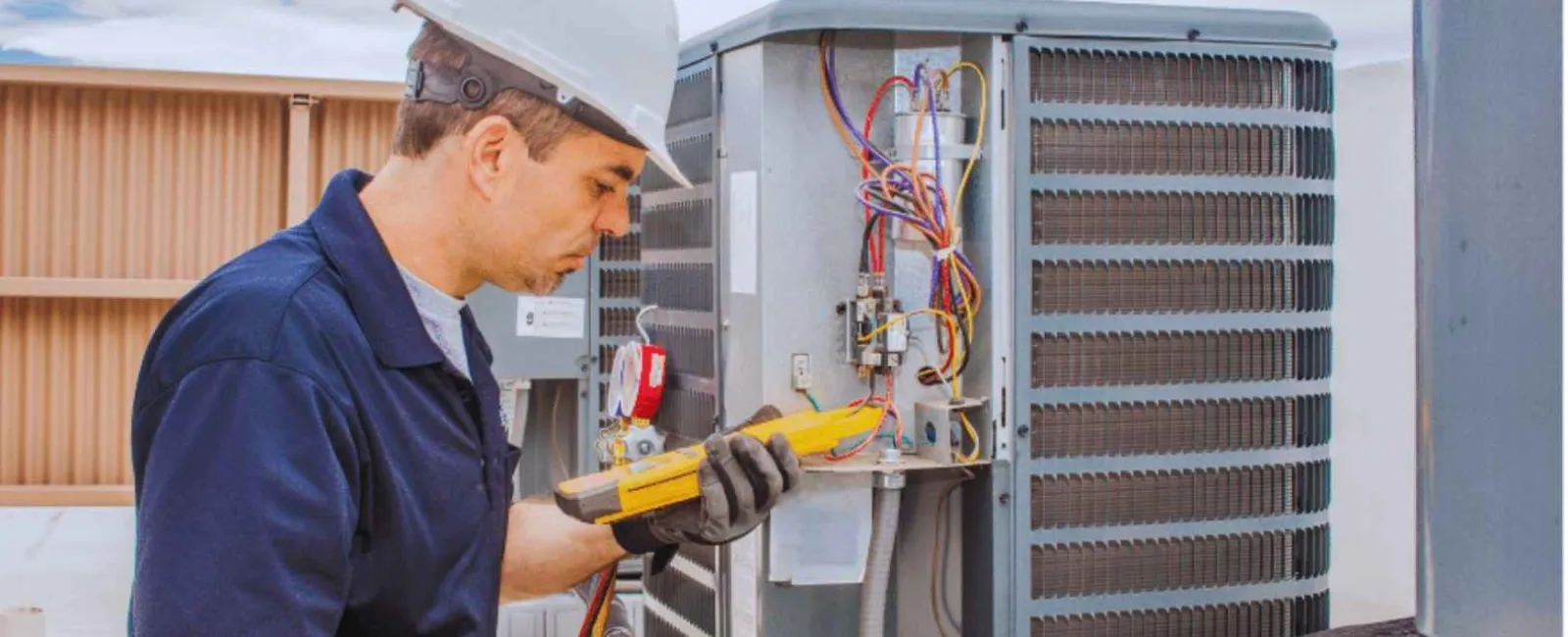
When you call for service, an experienced HVAC technician won't just look at the contactor in isolation. They'll evaluate it as part of the complete electrical system.
- First, they'll verify voltage reaching the contactor coil. If 24 volts isn't arriving when the thermostat calls for cooling, the problem may be upstream in the control circuit rather than the contactor itself.
- Next, they'll check continuity across the contacts when closed. A properly functioning contactor should show near-zero resistance when energized. Any significant resistance indicates pitted or corroded contacts that can't conduct electricity efficiently.
- They'll physically inspect the contacts for pitting, discoloration, or signs of welding. They'll check the coil for signs of overheating or burnt insulation. They'll examine wire terminals for corrosion or loose connections.
Finally, they'll evaluate related components. A failing capacitor forces the compressor to draw higher startup current, which stresses the contactor. A refrigerant problem causing high head pressure makes the compressor work harder, increasing electrical load through the contactor. Fixing the contactor without addressing these underlying issues may just accelerate the replacement's failure.
Why Contactor Problems Require Professional Service
The contactor handles 240 volts of electricity, enough to cause serious injury or death. Even with the system powered off, capacitors nearby may hold residual charge. Opening the electrical panel on your outdoor unit without proper training and safety procedures is genuinely dangerous.
Beyond safety, proper contactor replacement requires matching the replacement part to your system's specifications. Contactors are rated for specific voltages and amperages. Installing an undersized contactor leads to rapid failure and potential damage to other components. Installing an oversized contactor wastes money and may not fit the mounting location.
Professional service also ensures the actual problem gets fixed. Contactor symptoms can overlap with capacitor problems, control board issues, or wiring faults. Replacing the contactor without verifying it's actually the failed component means you pay for parts and labor that don't solve the problem.
Protect Your System with Proper Diagnosis
Your AC's contactor works quietly behind the scenes, opening and closing thousands of times each cooling season. When it starts to fail, the symptoms can be confusing, especially when they mimic problems with other components.
If your air conditioner won't start, runs constantly, makes buzzing or chattering sounds, or behaves inconsistently, the contactor should be investigated. MR. HVAC provides thorough electrical diagnosis for homeowners throughout Canton, Woodstock, Roswell, and Alpharetta. We test the entire control circuit, inspect the condition of the physical components, and determine whether the contactor is the actual problem or a symptom of something else.
Don't let a failed electrical switch leave you without cooling this summer. Schedule AC service today and get an accurate diagnosis from technicians who understand how these systems actually work.


